Acetone → Methyl 2-(4-nitrophenoxy)propanoate
Reaction equation

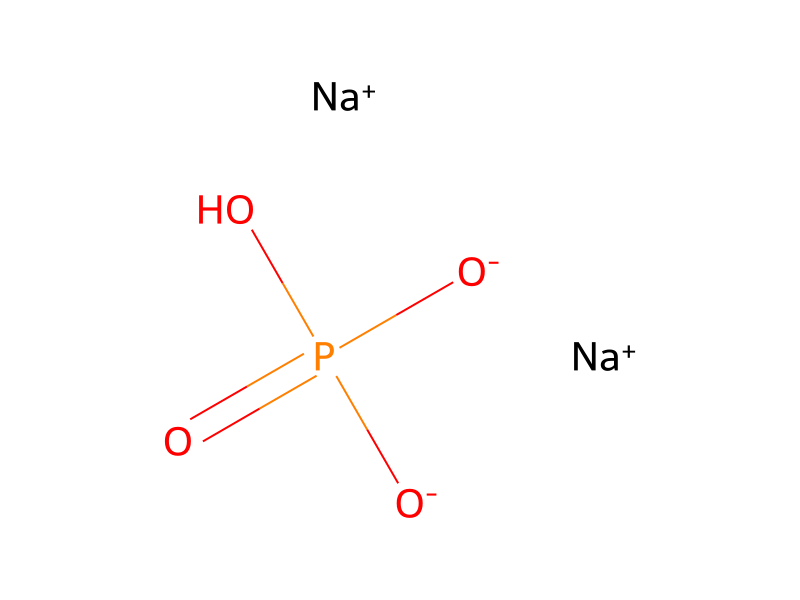
[N+:1]([C:4]1[CH:9]=[CH:8][C:7](O)=[CH:6][CH:5]=1)([O-:3])=[O:2].[C:11](=O)([O-])[O-:12].[K+].[K+].[I-].[K+].P(O)([O-])([O-])=[O:20].[Na+].[Na+].[CH3:26][C:27]([CH3:29])=[O:28]>>[CH3:11][O:12][C:26](=[O:20])[CH:27]([O:28][C:7]1[CH:8]=[CH:9][C:4]([N+:1]([O-:3])=[O:2])=[CH:5][CH:6]=1)[CH3:29]Participants
6





Procedure
Into a mixture of 4-nitrophenol (90 g), potassium carbonate (268 g), potassium iodide (10 g) and disodium phosphate (10 g) in anhydrous acetone (900 ml) was added methyl 2-chloro propionate (95 g). The reaction mixture was stirred and refluxed for 24 hours. Acetone was distilled off and water (1.5 liter) was added to the reaction mixture. Crude 2-(4-nitrophenoxy)-propionic acid methyl ester was filtered, dried and recrystallised from methanol to obtain pure 2-(4-nitrophenoxy)-propionic acid methyl ester (80 g) as a white powder. The product was characterized by 1H NMR (CDCl3) δ 1.70 (d, 3H, CH3), 3.78 (s, 3H, Ester), 4.85 (q, 1H, CH), 6.92 (d, 2H, Ar), 8.20 (d, 2H, Ar). The product has a melting point of 83-84° C.
Workup
- temperaturerefluxed for 24 hours
- distillationAcetone was distilled off
- additionwater (1.5 liter) was added to the reaction mixture
- filtrationCrude 2-(4-nitrophenoxy)-propionic acid methyl ester was filtered
- customdried
- customrecrystallised from methanol
Sources & evidence
- ORD record
- ord-737143b2ca4c4f3ab839807a7feedae0
- Source dataset
- uspto-grants-2014_12
- Patent number
- US08901347B1
Reaction notes
Loading…