Hydrochloric Acid → HCID 52919528, compound
Reaction equation

C(OC([NH:8][C:9]1[CH:14]=[CH:13][C:12]([CH2:15][C:16]([O:18][CH2:19][CH3:20])=[O:17])=[CH:11][C:10]=1[C:21](=O)[C:22]([N:24]1[CH2:32][C:31]2[C:26](=[CH:27][CH:28]=[CH:29][CH:30]=2)[CH2:25]1)=[O:23])=O)(C)(C)C.[F-].[Cs+].C[Si]([N:40]=[C:41]=[N:42][Si](C)(C)C)(C)C.Cl>C(#N)C.ClCCl>[NH2:40][C:41]1[N:42]=[C:21]([C:22]([N:24]2[CH2:25][C:26]3[C:31](=[CH:30][CH:29]=[CH:28][CH:27]=3)[CH2:32]2)=[O:23])[C:10]2[C:9](=[CH:14][CH:13]=[C:12]([CH2:15][C:16]([O:18][CH2:19][CH3:20])=[O:17])[CH:11]=2)[N:8]=1Participants
7

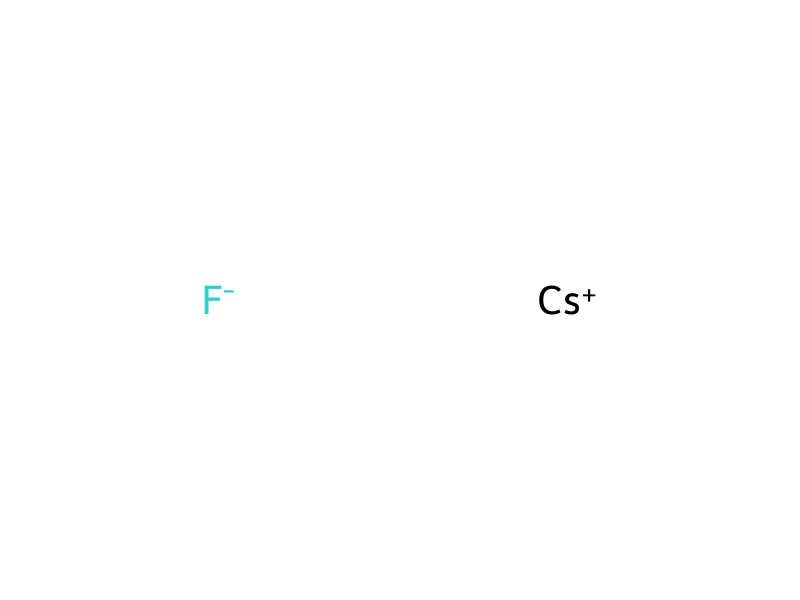




Procedure
4.9 g of ethyl 2-[4-(tert-butoxycarbonylamino)-3-(2-isoindolin-2-yl-2-oxo-acetyl)phenyl]acetate are dissolved in 100 ml of acetonitrile under argon. 1.7 g of caesium fluoride are added, and 3 ml of bis(trimethylsilyl)carbodiimide are added dropwise to the solution over the course of 5 min. The mixture is stirred at room temperature for 15 min, and 20 ml of dichloromethane are then added. After addition of 20 ml of hydrochloric acid (1N), the product precipitates out as white solid.
Workup
- customthe product precipitates out as white solid
Sources & evidence
- ORD record
- ord-4117467704f148f2985c39a405842642
- Source dataset
- uspto-grants-2014_12
- Patent number
- US08906930B2
Reaction notes
Loading…