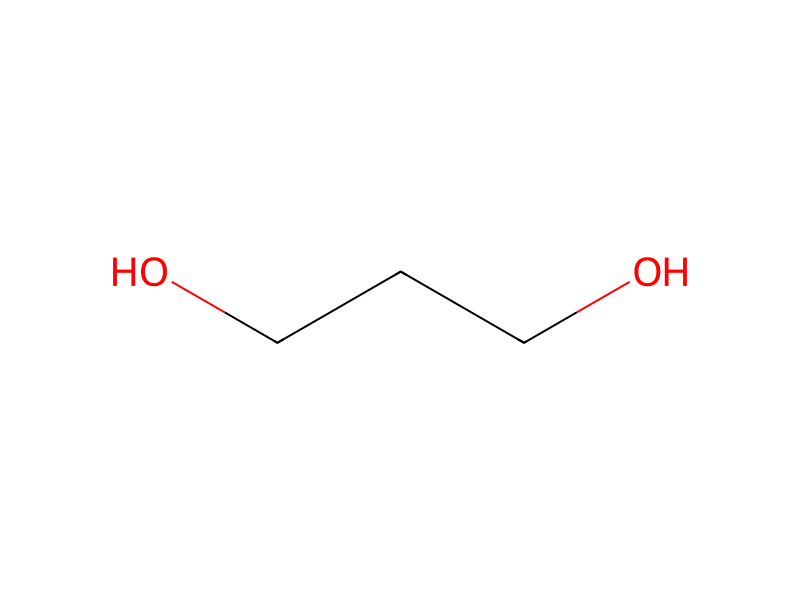
1,3-Propanediol → 5-Bromo-2-(1,3-dioxan-2-yl)pyridine
Reaction equation

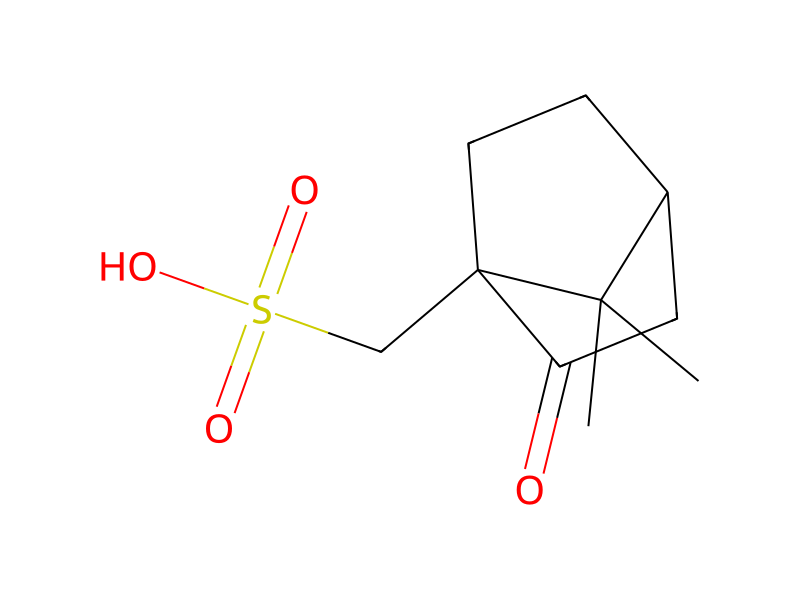
[Br:1][C:2]1[CH:3]=[CH:4][C:5]([CH:8]=[O:9])=[N:6][CH:7]=1.[CH2:10](O)[CH2:11][CH2:12][OH:13]>C1(C)C=CC=CC=1.CC1(C)C2(CS(O)(=O)=O)C(CC1CC2)=O>[Br:1][C:2]1[CH:3]=[CH:4][C:5]([CH:8]2[O:13][CH2:12][CH2:11][CH2:10][O:9]2)=[N:6][CH:7]=1Participants
5



Procedure
To solution of 5-bromo-2-formylpyridine (10 g, 53.8 mmol), 1,3-propanediol (3.89 mL, 53.8 mmol) in toluene (30 mL) was added CSA (1.249 g, 5.38 mmol). The reaction mixture was heated to reflux for 4 h with a Dean-Stark trap. The reaction mixture was quenched by addition of saturated solution of sodium bicarbonate and extracted with EtOAc. The organic layer was washed with brine, dried over anhydrous sodium sulfate, filtered and concentrated to afford compound 278 (13.37 g, 54.8 mmol, 101% yield, crude) as a brown solid that was used in the next step with no additional purification. MS (m/z): 244.06-246.06 (M+H).
Workup
- temperatureThe reaction mixture was heated
- temperatureto reflux for 4 h with a Dean-Stark trap
- customThe reaction mixture was quenched by addition of saturated solution of sodium bicarbonate
- extractionextracted with EtOAc
- washThe organic layer was washed with brine
- dry with materialdried over anhydrous sodium sulfate
- filtrationfiltered
- concentrationconcentrated
Sources & evidence
- ORD record
- ord-4a989d3c1f1a40e0895152be40301662
- Source dataset
- uspto-grants-2014_12
- Patent number
- US08906852B2
Reaction notes
Loading…