Diisopropylethylamine → 5-bromo-N-methyl-2-nitroaniline
Reaction equation

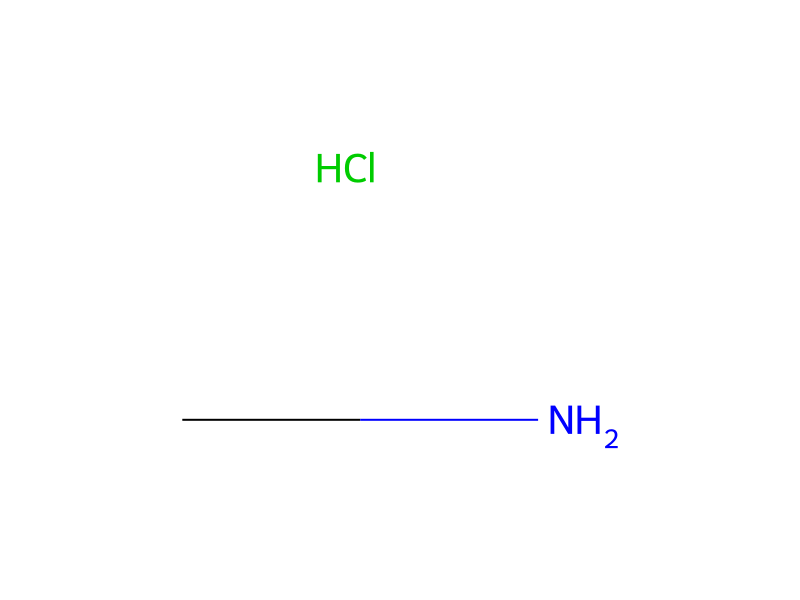
[Br:1][C:2]1[CH:7]=[CH:6][C:5]([N+:8]([O-:10])=[O:9])=[C:4](F)[CH:3]=1.Cl.CN.[CH:15]([N:18](CC)C(C)C)(C)C>C(#N)C>[Br:1][C:2]1[CH:7]=[CH:6][C:5]([N+:8]([O-:10])=[O:9])=[C:4]([CH:3]=1)[NH:18][CH3:15]Participants
5
Reactant 3


Product 1

Reagents, catalysts & solvents 1

Conditions
- Temperature
- 60 °C
Procedure
To a suspension of 4-bromo-2-fluoro-1-nitrobenzene (3.0 g) in acetonitrile (100 mL) was added 3.7 g of methylamine hydrochloride followed by 12 mL of N,N-diisopropylethylamine. The mixture was stirred at 60° C. for 16 hours. After cooling down to room temperature, the reaction mixture was concentrated, dissolved in ethyl acetate (100 mL) and washed 3 times with water, then brine, and dried over sodium sulfate. The solvent was removed under reduced pressure, providing 5-bromo-N-methyl-2-nitroaniline as an orange solid. The product was used in the next step without further purification.
Workup
- temperatureAfter cooling down to room temperature
- concentrationthe reaction mixture was concentrated
- dissolutiondissolved in ethyl acetate (100 mL)
- washwashed 3 times with water
- dry with materialbrine, and dried over sodium sulfate
- customThe solvent was removed under reduced pressure
Sources & evidence
- ORD record
- ord-0f13cc91b19a4744823c4568279e815f
- Source dataset
- uspto-grants-2014_12
- Patent number
- US08912190B2
Reaction notes
Loading…