Hydrochloric Acid → HCID 66759435, compound
Reaction equation

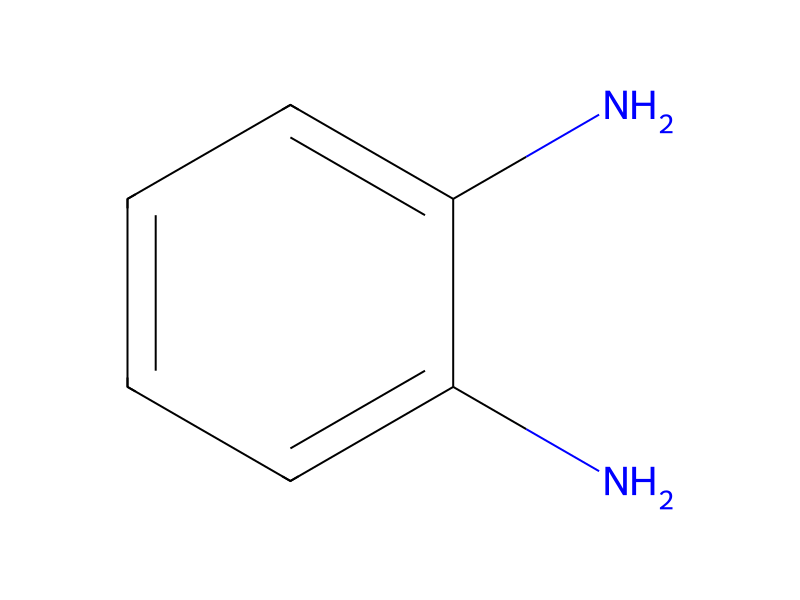
[C:1]1([NH2:8])[CH:6]=[CH:5][CH:4]=[CH:3][C:2]=1[NH2:7].[CH:9]1[C:18]2[C:13](=[CH:14][CH:15]=[CH:16][CH:17]=2)[CH:12]=[CH:11][C:10]=1[CH:19]1[CH2:25][C:24](=O)[O:23][C:21](=[O:22])[CH2:20]1.[ClH:27]>ClCCl.O1CCOCC1>[ClH:27].[N:7]1[C:2]2[CH:3]=[CH:4][CH:5]=[CH:6][C:1]=2[NH:8][C:24]=1[CH2:25][CH:19]([C:10]1[CH:11]=[CH:12][C:13]2[C:18](=[CH:17][CH:16]=[CH:15][CH:14]=2)[CH:9]=1)[CH2:20][C:21]([OH:23])=[O:22]Participants
6
Reactant 3


Product 1

Reagents, catalysts & solvents 2


Procedure
1,2-Phenylenediamine (54 mg) and 3-(2-naphthyl)glutaric anhydride (120 mg) were dissolved in dichloromethane (2 ml) with heating. The solution was stirred at rt for 1 h. The precipitate formed was collected by suction filtration, washed with dichloromethane, and dried to give a mixture of regioisomeric amides (131 mg) as colourless solid. This solid was dissolved in 1,4-dioxane (1 ml) with heating, and 4M HCl in 1,4-dioxane (1 ml) was added. The solution was heated to reflux for 1 h. After removal of the solvent the residue was triturated with acetone to give 4-(2-benzimidazolyl)-3-(2-naphthyl)butanoic acid HCl (100 mg) as colourless solid.
Workup
- temperaturewith heating
- customThe precipitate formed
- filtrationwas collected by suction filtration
- washwashed with dichloromethane
- customdried
- customto give
- temperaturewith heating
- temperatureThe solution was heated
- temperatureto reflux for 1 h
- customAfter removal of the solvent the residue
- customwas triturated with acetone
Sources & evidence
- ORD record
- ord-01533c0861f143c59394443e4949d344
- Source dataset
- uspto-grants-2014_12
- Patent number
- US08912186B2
Reaction notes
Loading…