Benzyl Alcohol → 1-(Benzyloxy)-5-bromoisoquinoline
Reaction equation

Cl[C:2]1[C:11]2[C:6](=[C:7]([Br:12])[CH:8]=[CH:9][CH:10]=2)[CH:5]=[CH:4][N:3]=1.[CH2:13]([OH:20])[C:14]1[CH:19]=[CH:18][CH:17]=[CH:16][CH:15]=1.[OH-].[K+].C(=O)([O-])[O-].[K+].[K+].COCCOCCN(CCOCCOC)CCOCCOC>C1(C)C=CC=CC=1>[CH2:13]([O:20][C:2]1[C:11]2[C:6](=[C:7]([Br:12])[CH:8]=[CH:9][CH:10]=2)[CH:5]=[CH:4][N:3]=1)[C:14]1[CH:19]=[CH:18][CH:17]=[CH:16][CH:15]=1Participants
7
Reactant 5



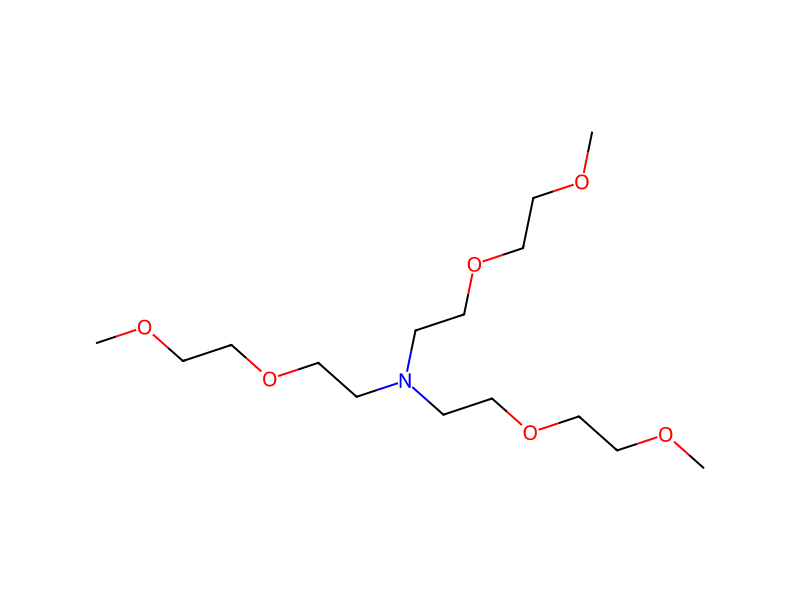

Product 1

Reagents, catalysts & solvents 1

Conditions
- Temperature
- 120 °C
Procedure
A suspension of compound (1b) (0.242 g), benzyl alcohol (0.162 g), potassium hydroxide (0.224 g), potassium carbonate (0.138 g), and tris(2-(2-methoxyethoxy)ethyl)amine (0.032 ml) in toluene (6 ml) was stirred at 120° C. for 1 hour. The reaction solution was partitioned between ethyl acetate and water. The organic layer was washed with brine and then dried over anhydrous sodium sulfate. The solvent was distilled off, and the residue was then purified by neutral silica gel column chromatography (n-hexane/ethyl acetate) to obtain compound (1c) (0.621 g, 99%) as a pale yellow solid.
Workup
- customThe reaction solution was partitioned between ethyl acetate and water
- washThe organic layer was washed with brine
- dry with materialdried over anhydrous sodium sulfate
- distillationThe solvent was distilled off
- customthe residue was then purified by neutral silica gel column chromatography (n-hexane/ethyl acetate)
Sources & evidence
- ORD record
- ord-40a16f77ac414e47a75d09bb8c4f3bbf
- Source dataset
- uspto-grants-2014_12
- Patent number
- US08912181B2
Reaction notes
Loading…