Triethylamine → HCID 47021895, compound
Reaction equation

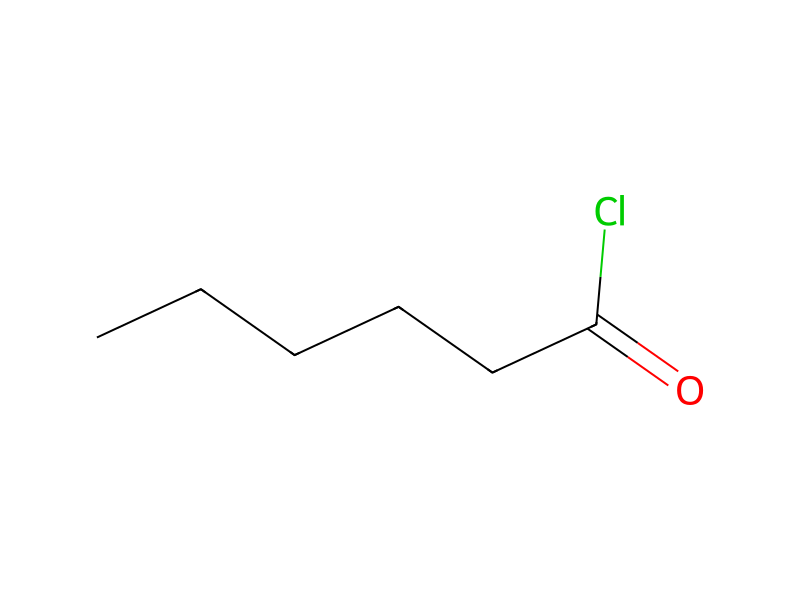
[C:1]1([CH:7]2[O:12][CH2:11][CH2:10][NH:9][CH2:8]2)[CH:6]=[CH:5][CH:4]=[CH:3][CH:2]=1.[C:13](Cl)(=[O:19])[CH2:14][CH2:15][CH2:16][CH2:17][CH3:18].C(N(CC)CC)C>ClCCl>[C:1]1([CH:7]2[O:12][CH2:11][CH2:10][N:9]([C:13](=[O:19])[CH2:14][CH2:15][CH2:16][CH2:17][CH3:18])[CH2:8]2)[CH:2]=[CH:3][CH:4]=[CH:5][CH:6]=1Participants
5
Reactant 3


Product 1

Reagents, catalysts & solvents 1

Procedure
A solution of 2-phenylmorpholine (326 mg, 2 mmol) in dry dichloromethane (6 mL) is cooled in an ice bath, and hexanoyl chloride (336.5 mg, 2.5 mmol, 1.25 eq) and triethylamine (417 μL, 3 mmol, 1.5 eq) are added. After stirring for 6 hours at room temperature the reaction mixture is diluted with dichloromethane (10 mL). The organic solution is subsequently washed with 1 M KHSO4, 5% NaHCO3 and brine. After drying over Na2SO4, dichloromethane is removed in vacuo and the crude material is purified by flash chromatography (silicagel, ethyl acetate/toluene 1:4). The fractions containing 1-(2-phenylmorpholin-4-yl)hexan-1-one are collected and the solvent is removed in vacuo to give 437 mg of colorless oil.
Workup
- washThe organic solution is subsequently washed with 1 M KHSO4, 5% NaHCO3 and brine
- dry with materialAfter drying over Na2SO4, dichloromethane
- customis removed in vacuo
- customthe crude material is purified by flash chromatography (silicagel, ethyl acetate/toluene 1:4)
- additionThe fractions containing 1-(2-phenylmorpholin-4-yl)hexan-1-one
- customare collected
- customthe solvent is removed in vacuo
Sources & evidence
- ORD record
- ord-b8fea751042e4681adffc2d1f5cc37d0
- Source dataset
- uspto-grants-2014_12
- Patent number
- US08912329B2
Reaction notes
Loading…