Hydrochloric Acid → trans-2-(1H-pyrrol-1-yl)cyclohexanamine hydrogen chloride
Reaction equation

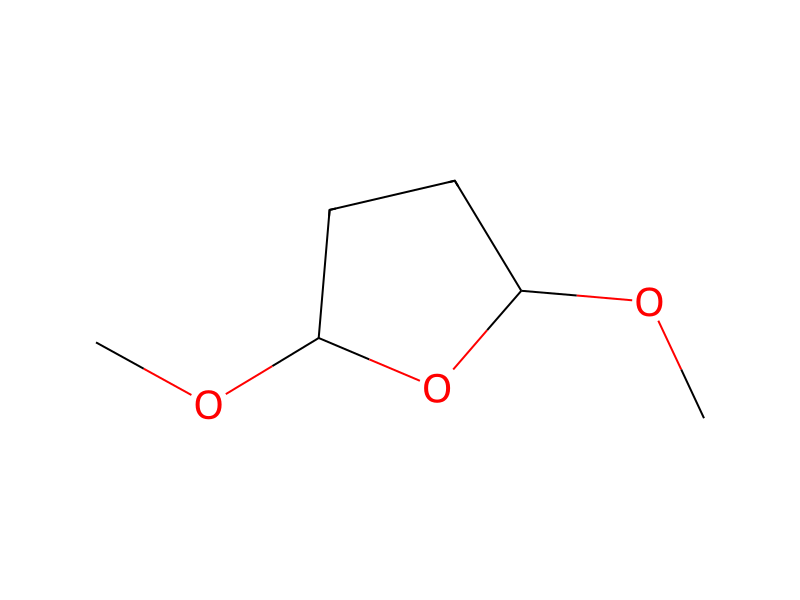
[NH2:1][C@@H:2]1[CH2:7][CH2:6][CH2:5][CH2:4][C@H:3]1[NH:8][C:9](=O)OC(C)(C)C.C([O-])(=O)C.[Na+].COC1[CH2:27][CH2:26][CH:25](OC)O1.O1CCOCC1.[ClH:36]>C(O)(=O)C>[ClH:36].[N:8]1([C@@H:3]2[CH2:4][CH2:5][CH2:6][CH2:7][C@H:2]2[NH2:1])[CH:9]=[CH:27][CH:26]=[CH:25]1Participants
Reactant 5




Product 1

Reagents, catalysts & solvents 1

Conditions
- Temperature
- 80 °C
Procedure
tert-Butyl N-[(1R,2R)-2-aminocyclohexyl]carbamate (1.06 g, 4.93 mmol), sodium acetate (1.70 g, 20.7 mmol) and 2,5-dimethoxytetrahydrofuran (764 μL, 5.91 mmol) were combined in acetic acid (10.6 mL). The reaction mixture was heated at 80° C. for 16 hours. The reaction mixture was then evaporated to dryness and the residue was partitioned between ethyl acetate and a saturated aqueous solution of sodium bicarbonate. The layers were separated, and the organic layer was washed twice with a saturated aqueous solution of sodium chloride, dried over sodium sulfate, and evaporated to dryness to yield a brown solid. This solid was then dissolved in HCl in dioxane (10.3 mL of 4.0 M, 41.1 mmol) and was allowed to stand for 3 hours. The solvent was then removed to yield trans-2-(1H-pyrrol-1-yl)cyclohexanamine hydrogen chloride (989 mg, 99%) as a brown solid. ESI-MS m/z calc. 164.1, found 165.2 (M+1)+; Retention time: 0.27 minutes (4 min run).
Workup
- customThe reaction mixture was then evaporated to dryness
- customthe residue was partitioned between ethyl acetate
- customThe layers were separated
- washthe organic layer was washed twice with a saturated aqueous solution of sodium chloride
- dry with materialdried over sodium sulfate
- customevaporated to dryness
- customto yield a brown solid
- customThe solvent was then removed
Sources & evidence
- ORD record
- ord-1927ccd022544618a642fdfb6ad742ff
- Source dataset
- uspto-grants-2014_12
- Patent number
- US08916565B2
Reaction notes
Loading…