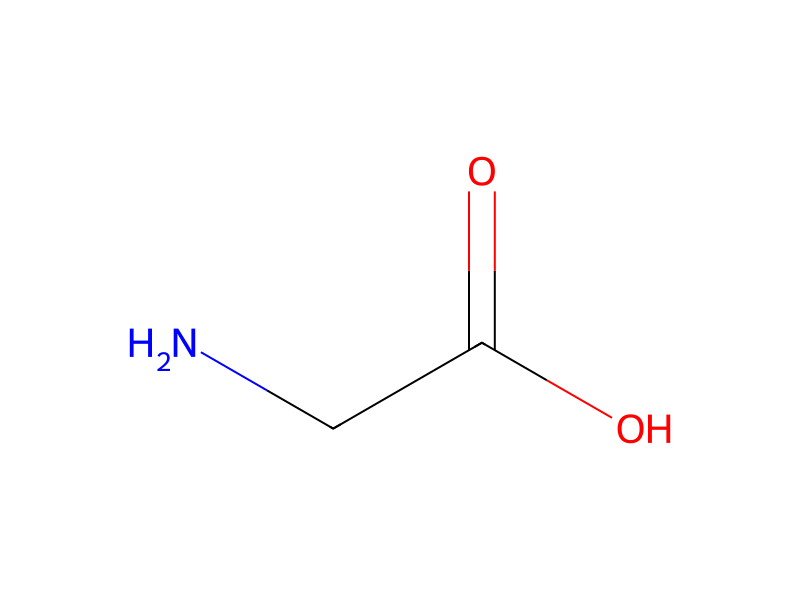
Glycine → HCID 86691100, compound
Reaction equation

NCC(O)=O.[NH:6]1[CH2:10][CH2:9][CH2:8][C:7]1=[O:11].[O-]P([O-])([O-])=O.[K+].[K+].[K+].[F:20][C:21]1[CH:22]=[CH:23][C:24](I)=[C:25]([C:27](=[O:29])[CH3:28])[CH:26]=1>[Cu]I>[C:27]([C:25]1[CH:26]=[C:21]([F:20])[CH:22]=[CH:23][C:24]=1[N:6]1[CH2:10][CH2:9][CH2:8][C:7]1=[O:11])(=[O:29])[CH3:28]Participants
6
Reactant 4



Product 1

Reagents, catalysts & solvents 1

Procedure
1,4-Dioxane (50 mL) was degassed by heating briefly to reflux and bubbling nitrogen gas through the solvent for 10 minutes, whilst it cooled to room temperature. CuI (180 mg, 5 mol %), glycine (284 mg, 20 mol %), 2-pyrrolidinone (1.73 mL, 22.73 mmol), K3PO4 (10.05 g, 47.35 mmol) and 1-(5-fluoro-2-iodo-phenyl)-ethanone (5.0 g, 18.94 mmol) were added sequentially to the solvent and the reaction mixture was heated at 100° C. under N2 for 10 hours. The reaction mixture was filtered through a celite plug, eluting with EtOAc and the filtrate was concentrated. The crude product was purified by flash chromatography (5% MeOH in DCM) to give the title compound (2.02 g, 48% yield) as a yellow oil
Workup
- custom1,4-Dioxane (50 mL) was degassed
- temperatureby heating briefly
- temperatureto reflux
- custombubbling nitrogen gas through the solvent for 10 minutes
- temperaturethe reaction mixture was heated at 100° C. under N2 for 10 hours
- filtrationThe reaction mixture was filtered through a celite plug
- washeluting with EtOAc
- concentrationthe filtrate was concentrated
- customThe crude product was purified by flash chromatography (5% MeOH in DCM)
Sources & evidence
- ORD record
- ord-e28cbea3d64c4ee099e1e20301db4815
- Source dataset
- uspto-grants-2014_12
- Patent number
- US08916593B2
Reaction notes
Loading…