Potassium Carbonate → 4-(4-Bromo-2-chloro-phenoxy)-benzaldehyde
Reaction equation

F[C:2]1[CH:9]=[CH:8][C:5]([CH:6]=[O:7])=[CH:4][CH:3]=1.[Br:10][C:11]1[CH:16]=[CH:15][C:14]([OH:17])=[C:13]([Cl:18])[CH:12]=1.C(=O)([O-])[O-].[K+].[K+]>CS(C)=O>[Br:10][C:11]1[CH:16]=[CH:15][C:14]([O:17][C:2]2[CH:9]=[CH:8][C:5]([CH:6]=[O:7])=[CH:4][CH:3]=2)=[C:13]([Cl:18])[CH:12]=1Participants
5
Reactant 3


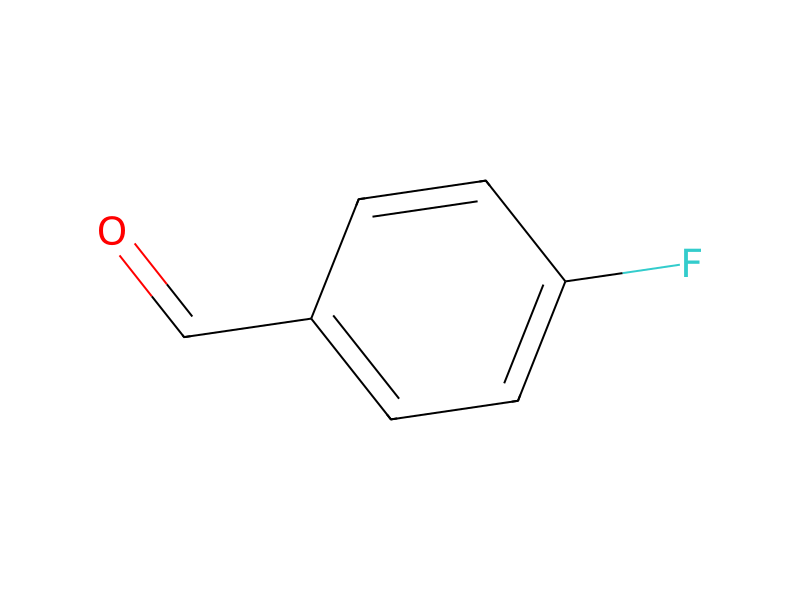
Product 1

Reagents, catalysts & solvents 1

Conditions
- Temperature
- 120 °C
Procedure
A solution of 50 mg (0.40 mmol) of 4-fluorobenzaldehyde and 83.6 mg (0.40 mmol) of 4-bromo-2-chlorophenol in 2 mL DMSO was combined with 80 mg (0.58 mmol) of potassium carbonate and stirred overnight at 120° C. The reaction mixture was filtered through Alox B, washed with dichloromethane and evaporated down. The residue was purified by chromatography (reversed phase).
Workup
- filtrationThe reaction mixture was filtered through Alox B
- washwashed with dichloromethane
- customevaporated down
- customThe residue was purified by chromatography (reversed phase)
Sources & evidence
- ORD record
- ord-8ede59f02d5a44f9b08e9bae2d139128
- Source dataset
- uspto-grants-2014_12
- Patent number
- US08916589B2
Reaction notes
Loading…