Cyclohexylamine → HCID 58562358, compound
Reaction equation

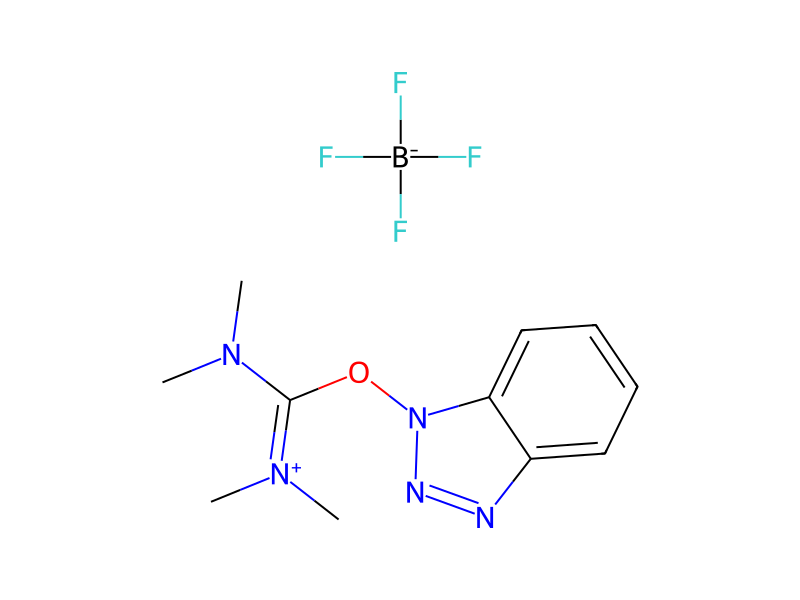
[Br:1][C:2]1[C:7]2[N:8]([CH3:20])[C:9]([NH:11][C:12]3[C:17]([Cl:18])=[CH:16][CH:15]=[CH:14][C:13]=3[Cl:19])=[N:10][C:6]=2[CH:5]=[C:4]([C:21]([OH:23])=O)[CH:3]=1.[CH:24]1([NH2:30])[CH2:29][CH2:28][CH2:27][CH2:26][CH2:25]1.CN(C(ON1N=NC2C=CC=CC1=2)=[N+](C)C)C.[B-](F)(F)(F)F>CN(C=O)C>[CH:24]1([NH:30][C:21]([C:4]2[CH:3]=[C:2]([Br:1])[C:7]3[N:8]([CH3:20])[C:9]([NH:11][C:12]4[C:13]([Cl:19])=[CH:14][CH:15]=[CH:16][C:17]=4[Cl:18])=[N:10][C:6]=3[CH:5]=2)=[O:23])[CH2:29][CH2:28][CH2:27][CH2:26][CH2:25]1Participants
5




Procedure
Prepared analogously to example 3c from 7-bromo-2-(2,6-dichloro-phenylamino)-1-methyl-1H-benzimidazole-5-carboxylic acid, cyclohexylamine, TBTU and TEA in DMF.
Sources & evidence
- ORD record
- ord-6b42b78500134a71a191ac25606f5342
- Source dataset
- uspto-grants-2014_12
- Patent number
- US08916599B2
Reaction notes
Loading…