Cesium carbonate → HCID 86684577, compound
Reaction equation

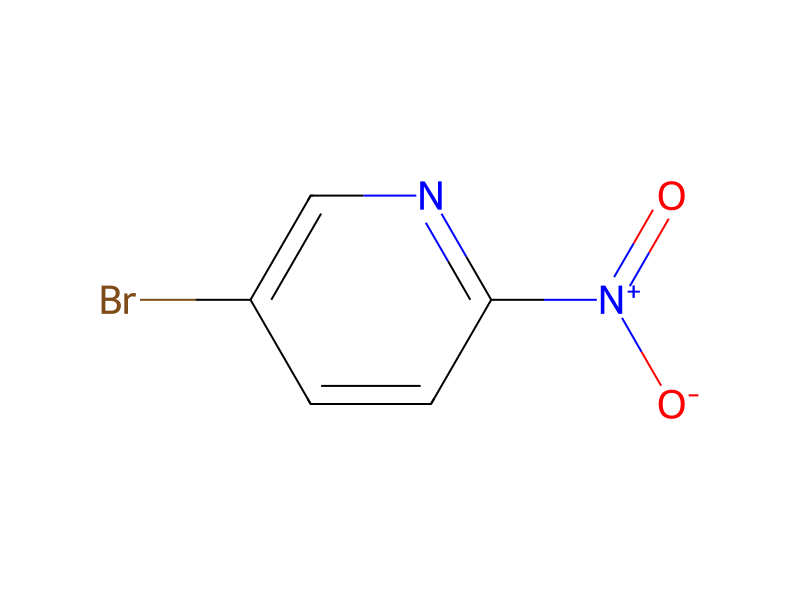
Cl.[CH3:2][O:3][CH:4]1[CH2:7][NH:6][CH2:5]1.Br[C:9]1[CH:10]=[CH:11][C:12]([N+:15]([O-:17])=[O:16])=[N:13][CH:14]=1.CC1(C)C2C(=C(P(C3C=CC=CC=3)C3C=CC=CC=3)C=CC=2)OC2C(P(C3C=CC=CC=3)C3C=CC=CC=3)=CC=CC1=2.C([O-])([O-])=O.[Cs+].[Cs+]>C1C=CC(/C=C/C(/C=C/C2C=CC=CC=2)=O)=CC=1.C1C=CC(/C=C/C(/C=C/C2C=CC=CC=2)=O)=CC=1.C1C=CC(/C=C/C(/C=C/C2C=CC=CC=2)=O)=CC=1.[Pd].[Pd].O1CCOCC1>[CH3:2][O:3][CH:4]1[CH2:7][N:6]([C:9]2[CH:10]=[CH:11][C:12]([N+:15]([O-:17])=[O:16])=[N:13][CH:14]=2)[CH2:5]1Participants
Reactant 4



Product 1

Reagents, catalysts & solvents 2


Conditions
- Temperature
- 100 °C
Procedure
A 100-mL round bottomed flask was equipped with a reflux condenser was charged with 3-methoxyazetidine hydrochloride (1.0 g, 8.09 mmol), 5-bromo-2-nitropyridine (1.97 g, 9.71 mmol), Pd2(dba)3 (370.1 mg, 0.404 mmol), Xantphos (467.6 mg, 0.809 mmol), Cs2CO3 (7.9 g, 24.3 mmol), and dioxane (50 mL). After bubbling nitrogen through the reaction mixture for 20 minutes, it was heated at 100° C. under N2 protection for 3 h. Analysis of the reaction mixture by LCMS showed complete conversion to the desired product. It was cooled to room temperature and filtered. The filtrate was concentrated under reduced pressure and the residue was purified by silica-gel column chromatography eluting with 50:1 dichloromethane/methanol to afford 323a as a yellow solid (1.63 g, 96%). MS-ESI: [M+H]+ 210.2
Workup
- customA 100-mL round bottomed flask was equipped with a reflux condenser
- customAfter bubbling nitrogen through the reaction mixture for 20 minutes
- temperatureIt was cooled to room temperature
- filtrationfiltered
- concentrationThe filtrate was concentrated under reduced pressure
- customthe residue was purified by silica-gel column chromatography
- washeluting with 50:1 dichloromethane/methanol
Sources & evidence
- ORD record
- ord-234cf42991b8405d9812eb6147fbd560
- Source dataset
- uspto-grants-2014_12
- Patent number
- US08921353B2
Reaction notes
Loading…