Chloroform → HCID 86737442, compound
Reaction equation

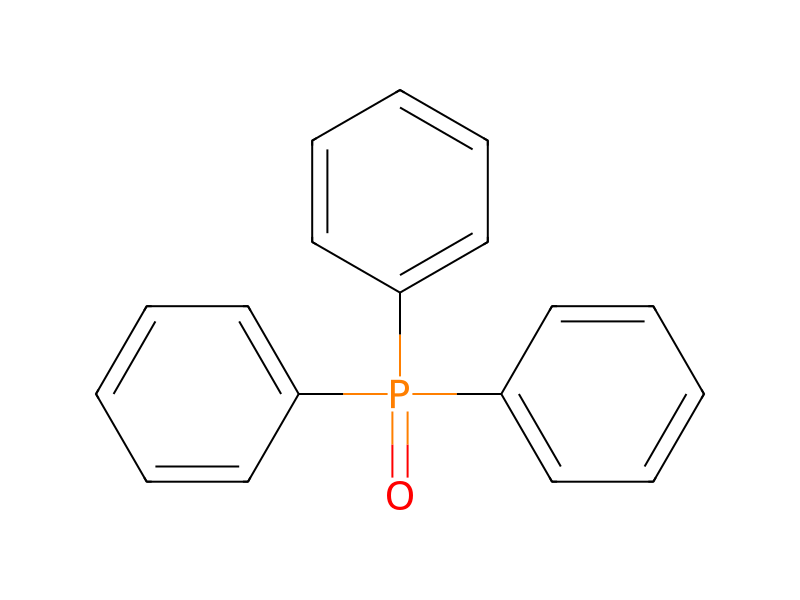
[C:1]1([P:7](=O)([C:14]2[CH:19]=[CH:18][CH:17]=[CH:16][CH:15]=2)[C:8]2[CH:13]=[CH:12][CH:11]=[CH:10][CH:9]=2)[CH:6]=[CH:5][CH:4]=[CH:3][CH:2]=1.C(Cl)([Cl:23])=O.[CH:25]([Cl:28])([Cl:27])[Cl:26]>>[Cl-:23].[Cl-:26].[C:14]1([P:7]([C:1]2[CH:2]=[CH:3][CH:4]=[CH:5][CH:6]=2)[C:8]2[CH:13]=[CH:12][CH:11]=[CH:10][CH:9]=2)[CH:15]=[CH:16][CH:17]=[CH:18][CH:19]=1.[CH:25]([Cl:28])([Cl:27])[Cl:26]Participants
4



Procedure
In a preferred embodiment of the present process for producing triphenylphosphine, about 1 part by weight of triphenylphosphine oxide in about 2 to about 3 parts by weight of chloroform is chlorinated with phosgene to produce a triphenylphosphine dichloride-chloroform adduct solution. The solution is adjusted (concentrated or diluted) by a known procedure to one having about 10 to about 20% by weight triphenylphosphine dichloride-chloroform adduct in chloroform. The resulting solution is hydrogenated at a pressure of about 100 bar of hydrogen and at a temperature of about 190° C. to about 195° C. to form the desired triphenylphosphine.
Sources & evidence
- ORD record
- ord-64ba683e9e9a46e383c168730d787ddc
- Source dataset
- uspto-grants-1981_02
- Patent number
- US04249023
Reaction notes
Loading…