Sodium Chloride → 3-Ethyl-5-[2-(2,3-epoxypropoxy)-styryl]-isoxazole
Reaction equation

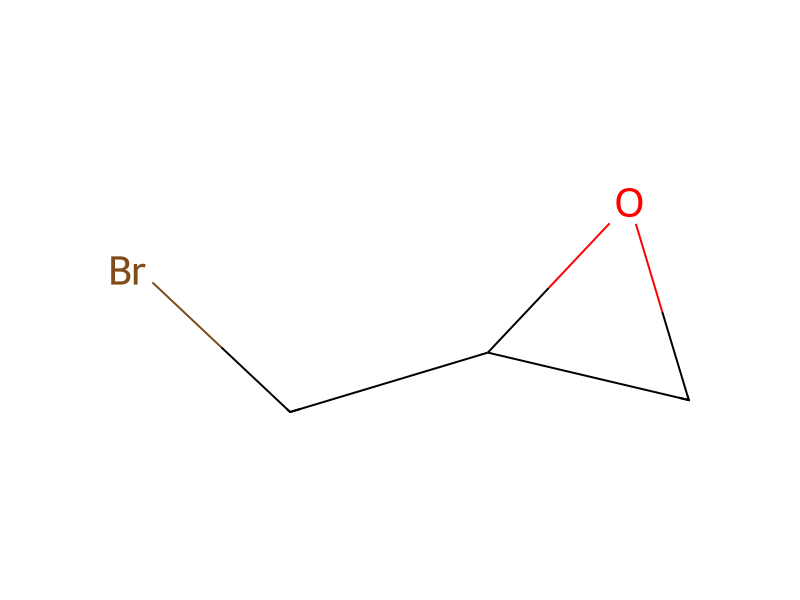
[H-].[Na+].[CH2:3]([C:5]1[CH:9]=[C:8]([CH:10]=[CH:11][C:12]2[CH:17]=[CH:16][CH:15]=[CH:14][C:13]=2[OH:18])[O:7][N:6]=1)[CH3:4].[CH2:19]([CH:21]1[O:23][CH2:22]1)Br.[Cl-].[Na+]>>[CH2:3]([C:5]1[CH:9]=[C:8]([CH:10]=[CH:11][C:12]2[CH:17]=[CH:16][CH:15]=[CH:14][C:13]=2[O:18][CH2:19][CH:21]2[O:23][CH2:22]2)[O:7][N:6]=1)[CH3:4]Participants
5




Procedure
This compound is prepared by the method described for Example V, from 5.1 g of 55% strength sodium hydride (0.116 mole), 25.0 g (0.116 mole) of 3-ethyl-5-(2-hydroxystyryl)-isoxazole and 15.9 g (0.116 mole) of epibromohydrin. The reaction mixture is poured into sodium chloride solution and extracted by shaking with diethyl ether. The ether solution is dried over anhydrous sodium sulfate, and concentrated. 29.2 g (93% of theory) of a colorless oil are obtained.
Workup
- customThis compound is prepared by the method
- extractionextracted
- dry with materialThe ether solution is dried over anhydrous sodium sulfate
- concentrationconcentrated
- custom29.2 g (93% of theory) of a colorless oil are obtained
Sources & evidence
- ORD record
- ord-029c40621508472ba5425d0ce82bbaae
- Source dataset
- uspto-grants-1981_02
- Patent number
- US04251539
Reaction notes
Loading…