Hydrogen Bromide → Silver bromide
Reaction equation

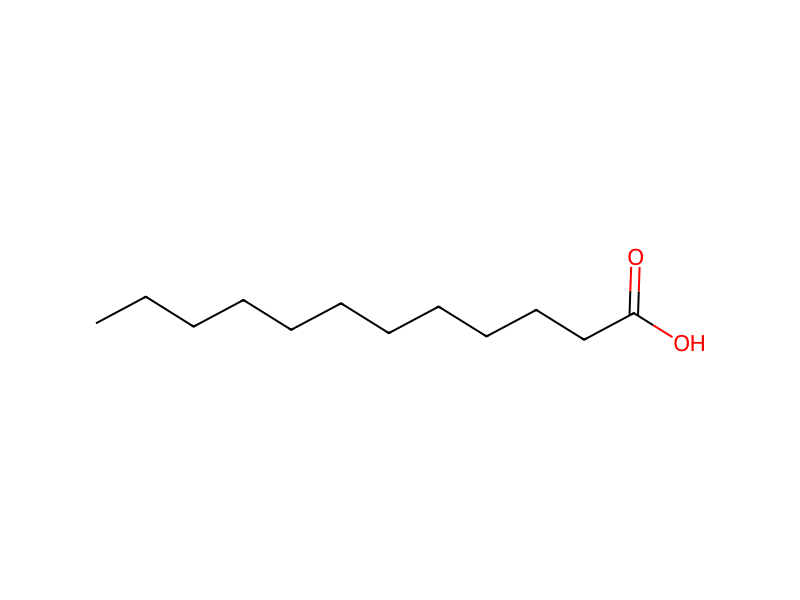
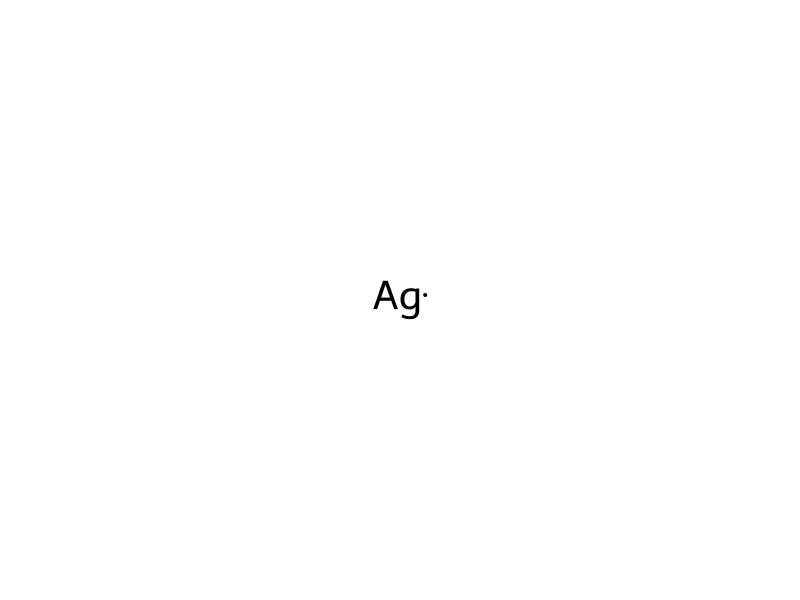
[OH:1][C:2]([CH2:4][CH2:5][CH2:6][CH2:7][CH2:8][CH2:9][CH2:10][CH2:11][CH3:12])=[O:3].C(O)(=O)CCCCCCCCCCC.[Ag:27].[N+]([O-])([O-])=O.[Ag+].[BrH:33]>C(OCCCC)(=O)C>[O-:3][C:2]([CH2:4][CH2:5][CH2:6][CH2:7][CH2:8][CH2:9][CH2:10][CH2:11][CH3:12])=[O:1].[Ag+:27].[Ag:27][Br:33]Participants
Reactant 5



Product 2


Reagents, catalysts & solvents 1

Procedure
A solution of 8.5 g of capric acid dissolved in 100 ml of butyl acetate was kept to 5° C, and 0.7 g of an N-halo compound of the invention (Compound 2) was emulsified in the solution with stirring. To the emulsion, 50 ml of an aqueous solution of silver ammine complex salt containing 8.5 g of silver nitrate (5° C) was added dropwise over a period of 30 seconds to react the capric acid, hydrogen bromide and silver ion and to form silver caprate and silver bromide, simultaneously. After removing the water layer, the butyl acetate layer containing the silver caprate and silver bromide was dispersed in 120 g of a 15 wt% isopropanol solution of polyvinyl butyral using a mixer to provide a polymer dispersion of the silver salt. To the polymer dispersion of the silver salt, the following components were added at intervals of 5 minutes at 40° C to provide a coating solution which was then coated on a coated paper in a silver amount of 0.7 g/m2 to obtain a heat developable light-sensitive material (Sample 3).
Workup
- customwas kept to 5° C
- additionwas added dropwise over a period of 30 seconds
Sources & evidence
- ORD record
- ord-0b7f45a2c94346b095458496fb1653d6
- Source dataset
- uspto-grants-1977_01
- Patent number
- US04003749
Reaction notes
Loading…