Ammonia → L-Aspartic Acid
Reaction equation

P([O-])([O-])([O-])=O.[C:6]([OH:13])(=[O:12])/[CH:7]=[CH:8]/[C:9]([OH:11])=[O:10].[NH3:14]>>[NH2:14][C@H:7]([C:6]([OH:13])=[O:12])[CH2:8][C:9]([OH:11])=[O:10]Participants

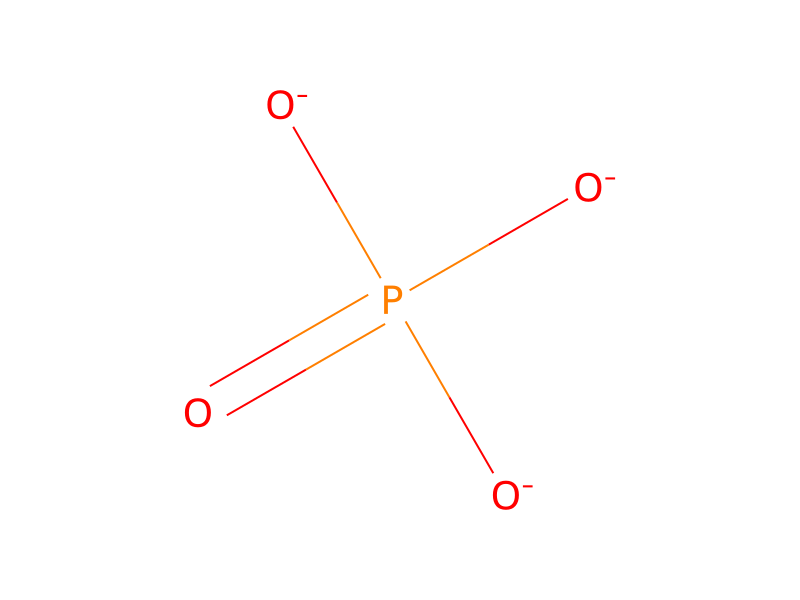
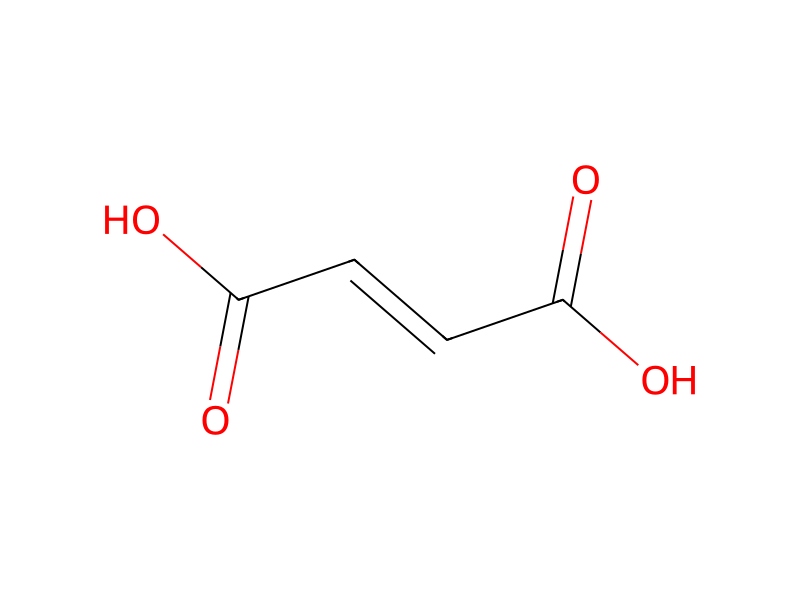

Procedure
The culture of H-9183 strain as obtained in the controlled aeration condition in Example 1 was centrifuged to isolate the cells. The cells were suspended in a phosphate buffer (0.01 M potassium phosphate; pH 7.4), and homogenized along with glass beads to disrupt them into an extract. The extract was passed through a column filled with a resin, Duolite A-7 to thereby make the protein existing in the extract adsorbed by the resin. Then, an aqueous solution of fumaric acid (150 g/liter; adjusted the pH at 8.5 with aqueous ammonia) was passed through the column at 37° C. to thereby obtain a solution of L-aspartic acid (171 g/liter). The pH of the solution(1 liter) was adjusted to 2.7 with sulfuric acid, and 161 g of L-aspartic acid crystals was obtained.
Workup
- customThe culture of H-9183 strain as obtained in the controlled aeration condition in Example 1
- customto isolate the cells
- additionfilled with a resin, Duolite A-7
- customwas passed through the column at 37° C.
Sources & evidence
- ORD record
- ord-0e48519e649943c688cbbc2df13b1ccc
- Source dataset
- uspto-grants-1999_06
- Patent number
- US05916782
Reaction notes
Loading…