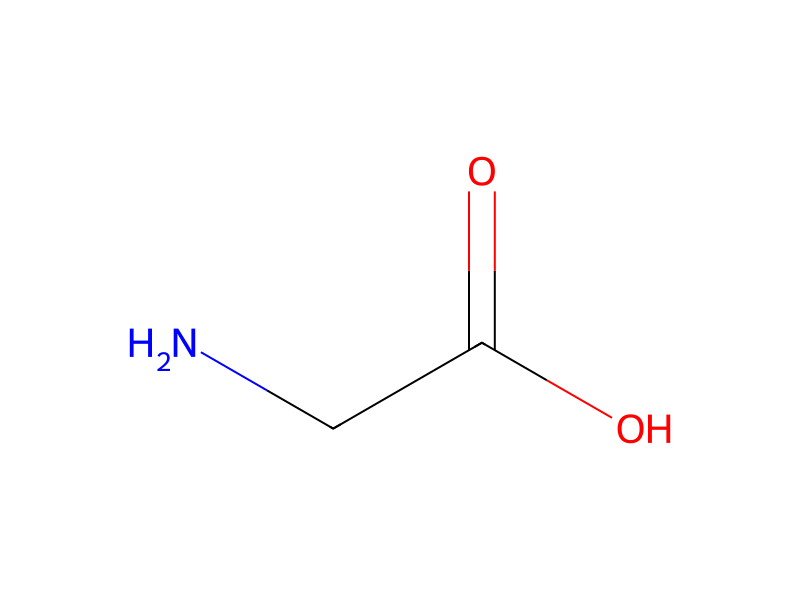
Glycine → HCID 21309760, compound
Reaction equation

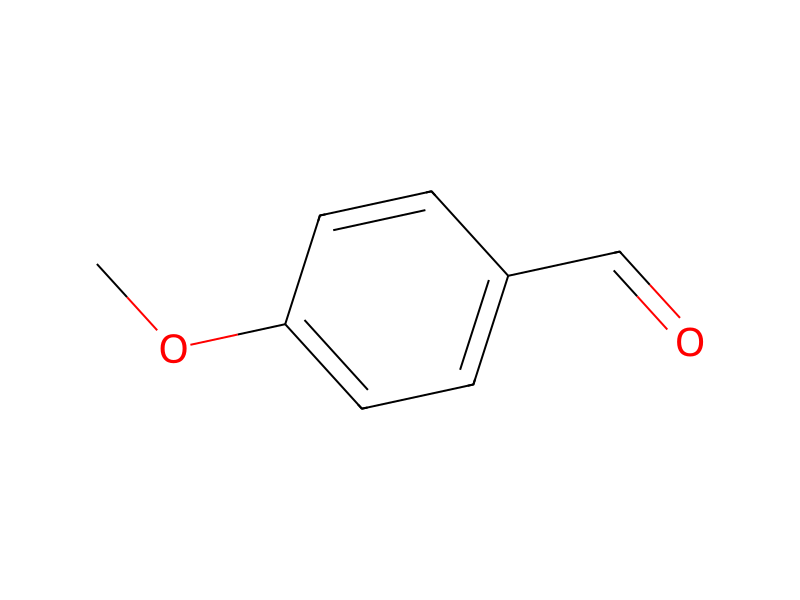
NCC(O)=O.[OH-].[Na+].[F:8][C:9]1[CH:14]=[CH:13][C:12]([CH:15]([CH2:18][CH2:19][OH:20])[CH2:16][OH:17])=[CH:11][CH:10]=1.C1C=[N+]([C@@H]2O[C@H](COP(OP(OC[C@H]3O[C@@H](N4C5N=CN=C(N)C=5N=C4)[C@H](O)[C@@H]3O)(O)=O)([O-])=O)[C@@H](O)[C@H]2O)C=C(C(N)=O)C=1.COC1C=CC(C=O)=CC=1>O.CC(C)=O.C(O)C.C(Cl)Cl>[F:8][C:9]1[CH:10]=[CH:11][C:12]([C@H:15]2[CH2:18][CH2:19][O:20][C:16]2=[O:17])=[CH:13][CH:14]=1Participants
Reactant 5



Product 1

Reagents, catalysts & solvents 4




Procedure
Glycine (18.8 grams) is dissolved in 2 liters of deionized water, and the pH is adjusted by the addition of 10% sodium hydroxide to 9.0. 2-(4-fluorophenyl)-1,4-butanediol (10.0 grams) is dissolved in 150 ml of acetone added to the glycine solution with stirring, followed by the addition of β-NAD+ (Sigma, 0.5 grams). To the resulting solution is added horse liver alcohol dehydrogenase (Sigma, 250 mg, approximately 400 units). After the enzyme has dissolved the pH is readjusted to 9.0 with 10% sodium hydroxide, and the reaction mixture is stirred at 30° C. During the reaction, the pH is maintained at 9.0 with a pH-stat by the addition of 10% sodium hydroxide. Progress of the reaction is monitored by thin layer chromatography (Silica gel plates, eluent methylene chloride; visualization by dipping in a solution of 5% anisaldehyde in ethanol and heating). When the reaction is complete as judged by thin layer chromatography, the reaction mixture is adjusted to a pH of 13 with 10 M sodium hydroxide and then extracted 3 times with 250 ml of methylene chloride. The pH of the aqueous mixture is then adjusted to 3 with concentrated HCl, followed by continuous extraction with 1 liter of ethyl acetate for 24 hours. The ethyl acetate extract is dried over anhydrous magnesium sulfate and evaporated under reduced pressure to yield (2R)-2-(4-fluorophenyl)butyrolactone as a yellowish solid.
Workup
- dissolutionAfter the enzyme has dissolved the pH
- stirringthe reaction mixture is stirred at 30° C
- customDuring the reaction
- temperatureheating)
- extractionextracted 3 times with 250 ml of methylene chloride
- extractionfollowed by continuous extraction with 1 liter of ethyl acetate for 24 hours
- extractionThe ethyl acetate extract
- dry with materialis dried over anhydrous magnesium sulfate
- customevaporated under reduced pressure
Sources & evidence
- ORD record
- ord-0da3a9f6436a473ea281686e226acac0
- Source dataset
- uspto-grants-1999_06
- Patent number
- US05916786
Reaction notes
Loading…