Ethyl bromoacetate → Ethyl 2-(3-nitrophenoxy)acetate
Reaction equation

[N+:1]([C:4]1[CH:5]=[C:6]([OH:10])[CH:7]=[CH:8][CH:9]=1)([O-:3])=[O:2].Br[CH2:12][C:13]([O:15][CH2:16][CH3:17])=[O:14].C(=O)([O-])[O-].[K+].[K+]>>[N+:1]([C:4]1[CH:5]=[C:6]([CH:7]=[CH:8][CH:9]=1)[O:10][CH2:12][C:13]([O:15][CH2:16][CH3:17])=[O:14])([O-:3])=[O:2]Participants
4



Procedure
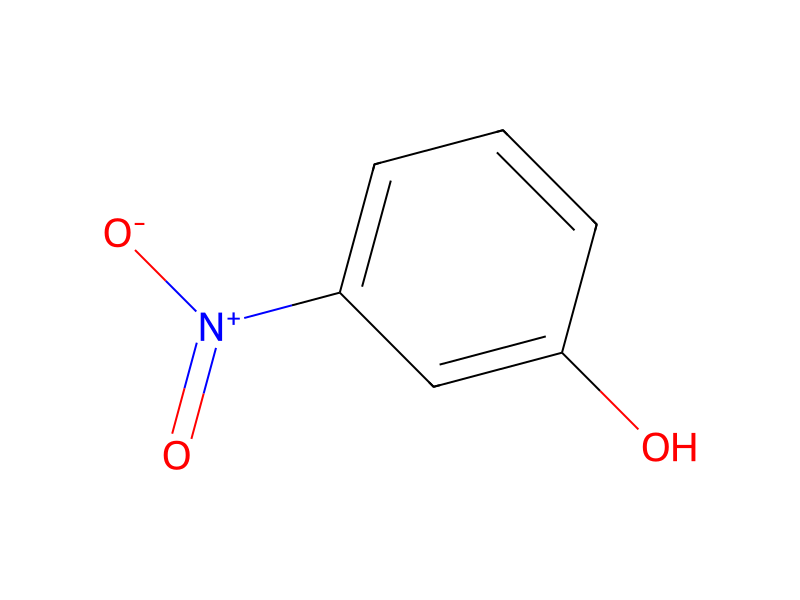
A mixture of 3-nitrophenol (6.95 g), ethyl bromoacetate (8.35 g) and potassium carbonate (6.9 g) in dry NHP (50 ml) was stirred at room temperature for 48 hours. The reaction mixture was partitioned between water (300 ml) and diethyl ether (75 ml). The organic layer was separated, washed with water, brine and dried (MgSO4). The residue was filtered through silica and eluted with a 3:2 mixture of hexane and ethyl acetate to give ethyl 3-nitrophenoxyacetate as a viscous oil in 98% yield;
Workup
- customThe reaction mixture was partitioned between water (300 ml) and diethyl ether (75 ml)
- customThe organic layer was separated
- washwashed with water, brine
- dry with materialdried (MgSO4)
- filtrationThe residue was filtered through silica
- washeluted with a 3:2 mixture of hexane and ethyl acetate
Sources & evidence
- ORD record
- ord-282872132ca042d9b5863032a1a379f1
- Source dataset
- uspto-grants-1999_03
- Patent number
- US05880130
Reaction notes
Loading…