2-Oxazolidinone → HCID 9927109, compound
Reaction equation

[F:1][C:2]1[CH:3]=[C:4]([N:13]2[CH2:17][C@H:16]([CH2:18][NH:19][C:20](=[O:22])[CH3:21])[O:15][C:14]2=[O:23])[CH:5]=[CH:6][C:7]=1[N:8]1[CH2:11][CH:10]([OH:12])[CH2:9]1.C[N+]1([O-])CCOCC1.CO.C(Cl)(Cl)Cl.O1CCNC1=O>C(#N)C.ClCCl.[Ru]([O-])(=O)(=O)=O.C([N+](CCC)(CCC)CCC)CC>[F:1][C:2]1[CH:3]=[C:4]([N:13]2[CH2:17][C@H:16]([CH2:18][NH:19][C:20](=[O:22])[CH3:21])[O:15][C:14]2=[O:23])[CH:5]=[CH:6][C:7]=1[N:8]1[CH2:11][C:10](=[O:12])[CH2:9]1Participants
Reactant 4



Product 1

Reagents, catalysts & solvents 2

Procedure
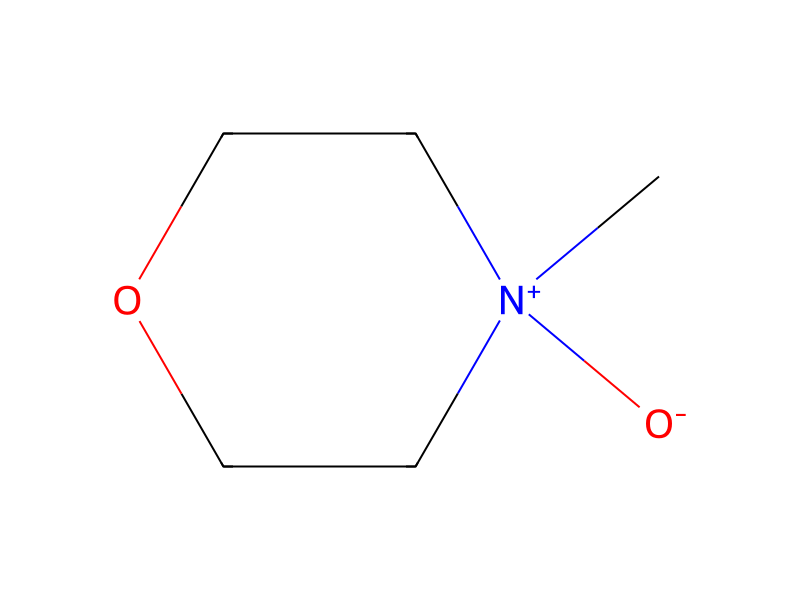
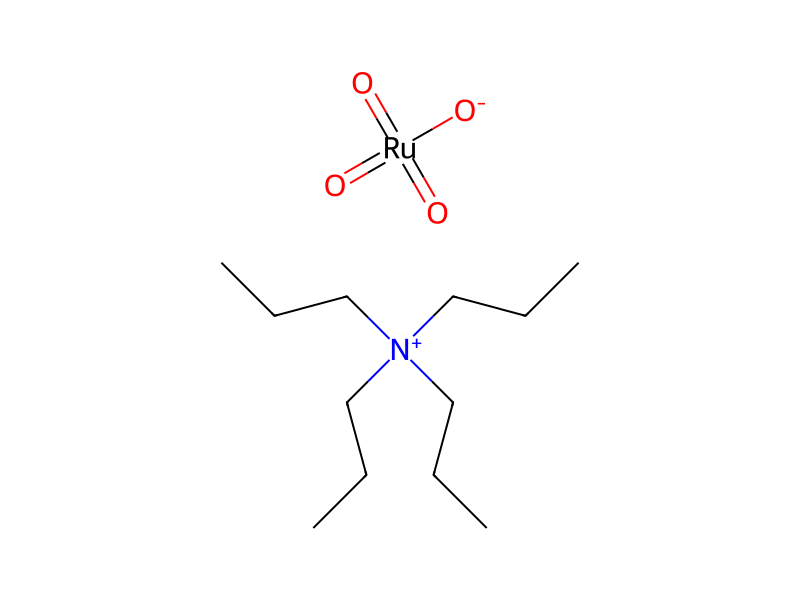
A solution of (S)-N-[[3-[3-fluoro-4-(3-hydroxy-1-azetidinyl)phenyl]-2-oxo-5-oxazolidinyl]methyl]acetamide (EXAMPLE 2, 0.440 g, 1.36 mmol) in 10% acetonitrile/dichloromethane (100 mL) was treated with powdered 4 angstrom molecular sieves (0.682 g), 4-methylmorpholine N-oxide (0.319 g, 2.72 mmol) and then tetra-n-propylammonium perruthenate (0.024 g, 0.068 mmol) at ambient temperature. After stirring 1.5 hours at ambient temperature, TLC analysis (10% methanol/chloroform) revealed a small amount of starting alcohol still remained. The addition of more 4-methylmorpholine N-oxide did not consume the starting material. The reaction mixture was concentrated under reduced pressure to a dark purple solid which was then chromatographed over silica gel (20 g), eluting with a gradient of 1-3.5% methanol/chloroform, to afford, after concentration of appropriate fractions, 0.204 g (47%) of the title oxazolidinone antibacterial agent as a white solid with mp 192°-193° C. and MS(EI) 321 (M+).
Workup
- customat ambient temperature
- customdid not consume the starting material
- concentrationThe reaction mixture was concentrated under reduced pressure to a dark purple solid which
- customwas then chromatographed over silica gel (20 g)
- washeluting with a gradient of 1-3.5% methanol/chloroform
- customto afford
Sources & evidence
- ORD record
- ord-376a2923a1fa418f8722c9b0706cfd31
- Source dataset
- uspto-grants-1999_03
- Patent number
- US05883093
Reaction notes
Loading…