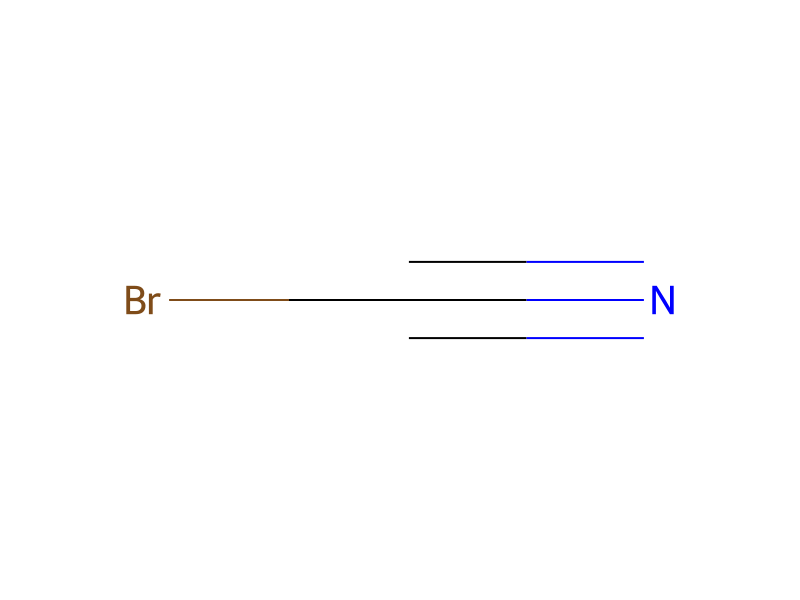
Cyanogen Bromide → 5-(Naphthalen-2-yl)-1,3,4-oxadiazol-2-amine
Reaction equation

[CH:1]1[C:10]2[C:5](=[CH:6][CH:7]=[CH:8][CH:9]=2)[CH:4]=[CH:3][C:2]=1[C:11]([NH:13][NH2:14])=[O:12].C(=O)([O-])O.[Na+].[N:20]#[C:21]Br>O1CCOCC1.O.C(O)C>[CH:1]1[C:10]2[C:5](=[CH:6][CH:7]=[CH:8][CH:9]=2)[CH:4]=[CH:3][C:2]=1[C:11]1[O:12][C:21]([NH2:20])=[N:14][N:13]=1Participants






Procedure
To a stirred solution of naphthalene-2-carboxylic acid hydrazide (0.6 g, 3.22 mmol, prepared as described in example 1) in dioxane (20 ml) was added a solution of sodium hydrogen carbonate (0.27 g, 3.22 mmol) in water (15 ml) and the resulting mixture was stirred for 5 min. To the reaction mixture was added cyanogen bromide (0.35 g, 3.3 mmol) and the mixture was stirred for 3 h at room temperature. The precipitate was filtered off and washed with diethyl ether (2×15 ml) and dried in vacuo at 50° C. affording 0.4 g of crude product which was suspended in absolute ethanol (15 ml) and stirred at reflux temperature for 0.5 h. The cooled suspension was filtered and the filter cake was dried in vacuo at 50° C. affording 130 mg (20%) of the title compound as a solid.
Workup
- stirringthe mixture was stirred for 3 h at room temperature
- filtrationThe precipitate was filtered off
- washwashed with diethyl ether (2×15 ml)
- customdried in vacuo at 50° C.
- customaffording 0.4 g of crude product which
- stirringstirred
- temperatureat reflux temperature for 0.5 h
- filtrationThe cooled suspension was filtered
- customthe filter cake was dried in vacuo at 50° C.
Sources & evidence
- ORD record
- ord-702710b1021040db98b7bbe59d183fd6
- Source dataset
- uspto-grants-2000_06
- Patent number
- US06080770
Reaction notes
Loading…