4-Aminopyridine → HCID 18706378, compound
Reaction equation

[Br:1][CH2:2][C:3]1[CH:12]=[C:11]([N+:13]([O-:15])=[O:14])[CH:10]=[C:9]2[C:4]=1[N:5]=[C:6]([O:18][CH3:19])[C:7]([O:16][CH3:17])=[N:8]2.[NH2:20][C:21]1[CH:26]=[CH:25][N:24]=[CH:23][CH:22]=1>ClCCl.C(#N)C>[Br-:1].[NH2:20][C:21]1[CH:26]=[CH:25][N+:24]([CH2:2][C:3]2[CH:12]=[C:11]([N+:13]([O-:15])=[O:14])[CH:10]=[C:9]3[C:4]=2[N:5]=[C:6]([O:18][CH3:19])[C:7]([O:16][CH3:17])=[N:8]3)=[CH:23][CH:22]=1Participants
5
Reactant 2
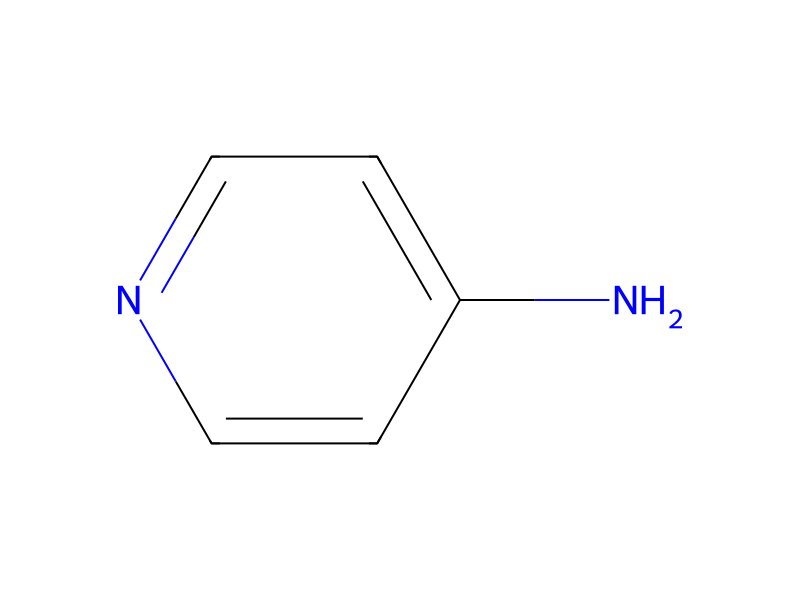

Product 1

Reagents, catalysts & solvents 2


Procedure
A solution of 197 mg (0.6 mmol) of 5-bromomethyl-2,3-dimethoxy-7-nitro-quinoxaline in 2 ml of dichloromethane is added at room temperature to a suspension of 282 mg (3 mmol) of 4-aminopyridine in 1 ml of dichloromethane and 3 ml of acetonitrile and the mixture is then stirred for 3.5 hours at room temperature. The resulting precipitate is filtered off and then washed on the filter with a small amount of acetonitrile. The title compound is obtained in the form of a colorless powder.
Workup
- filtrationThe resulting precipitate is filtered off
- washwashed on the
- filtrationfilter with a small amount of acetonitrile
Sources & evidence
- ORD record
- ord-ea766e3055e5459bb36a2567fcc4acb8
- Source dataset
- uspto-grants-2000_06
- Patent number
- US06080743
Reaction notes
Loading…