Water → (1S)-1-[(2S)-6-fluoro-3,4-dihydro-2H-chromen-2-yl]-2-[[(2S)-2-[(2R)-6-fluoro-3,4-dihydro-2H-chromen-2-yl]-2-hydroxyethyl]amino]ethanol
Reaction equation

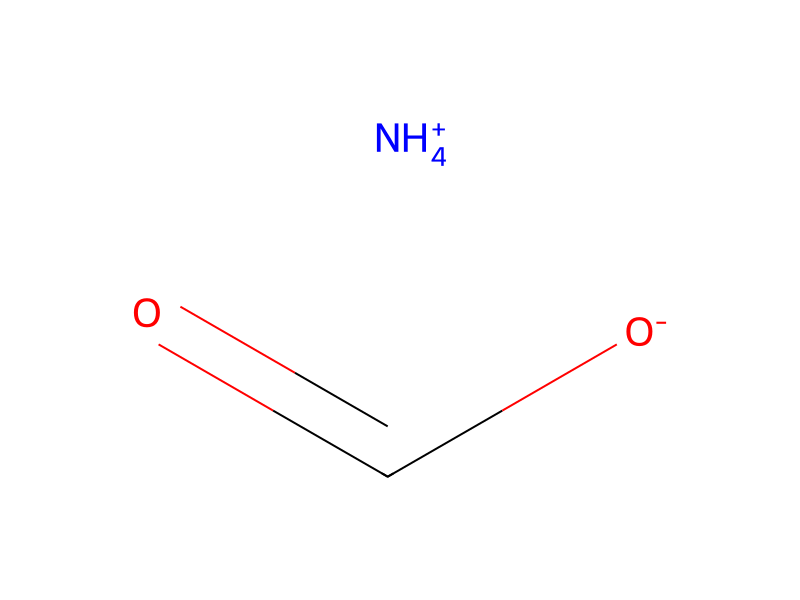
C1(C[N:8]([CH2:23][C@@H:24]([C@H:26]2[CH2:31][CH2:30][C:29]3[CH:32]=[C:33]([F:36])[CH:34]=[CH:35][C:28]=3[O:27]2)[OH:25])[CH2:9][C@@H:10]([C@@H:12]2[CH2:17][CH2:16][C:15]3[CH:18]=[C:19]([F:22])[CH:20]=[CH:21][C:14]=3[O:13]2)[OH:11])C=CC=CC=1.C([O-])=O.[NH4+].O>CO.[Pd]>[NH:8]([CH2:23][C@@H:24]([C@H:26]1[CH2:31][CH2:30][C:29]2[CH:32]=[C:33]([F:36])[CH:34]=[CH:35][C:28]=2[O:27]1)[OH:25])[CH2:9][C@@H:10]([C@@H:12]1[CH2:17][CH2:16][C:15]2[CH:18]=[C:19]([F:22])[CH:20]=[CH:21][C:14]=2[O:13]1)[OH:11]Participants
Reactant 3


Product 1

Reagents, catalysts & solvents 2


Conditions
- Temperature
- 65 °C
Procedure
(±)[R*,S*,S*,S*]-α,α′-[(phenylmethyl)imino-bis (methylene)] bis [6-fluoro-3,4-dihydro-2H-1-benzopyran-2-methanol] (5.0 g; 0.0101 mol) was dissolved in methanol (343.9 g). Ammonium formate (4.8 g; 0.0761 mol) was added to the reaction mixture followed by catalytic Palladium on carbon 5 wt. % wet (contains ˜50% water) (0.5 g). The reaction mixture was heated at reflux (about 65° C.) under stirring for about 11 hours then cooled to 45° C. filtered on a celite pad, washing with methanol, and finally concentrated under vacuum. The crude residue (6.2 g) was diluted with 2-butanol (65.2 g) then a solution of aq. 30% sodium hydroxide (2.0 g) and water (29.8 g) was added under stirring. The resulting suspension was heated to 70±2° C. until complete dissolution obtaining a clear two-phase mixture. The aqueous layer was separated and the resulting organic phase was washed with aq. sodium hydrogen carbonate (1.7 g dissolved in 22.6 g of water) and then with water (2×21.5 g). Toluene (5.0 g) was also added to improve the aqueous-organic separation. The organic phase was concentrated two-times under reduced pressure while adding fresh 2-butanol (total 32.9 g) to the resulting residues. The final organic solution (about 60 ml) was further diluted with 2-butanol (9.5 g) heated to 85-90° C. until complete dissolution and then gradually cooled to 20° C. obtaining the product precipitation. The solid was isolated by filtration, washing with 2-butanol (3×2.7 g), and dried under vacuum at 60° C. to give the title compound as a white solid (3.5 g, 96.6% w/w assay (HPLC); 82.6% molar yield). Purity Profile (HPLC): Sum of Impurities=0.284% w/w; Max Single Impurity (“de-F” Nebivolol)=0.196% w/w.
Workup
- temperatureThe reaction mixture was heated
- temperaturethen cooled to 45° C.
- filtrationfiltered on a celite pad
- washwashing with methanol
- concentrationfinally concentrated under vacuum
- additionThe crude residue (6.2 g) was diluted with 2-butanol (65.2 g)
- additiona solution of aq. 30% sodium hydroxide (2.0 g) and water (29.8 g) was added
- stirringunder stirring
- temperatureThe resulting suspension was heated to 70±2° C. until complete dissolution
- customobtaining a clear two-phase mixture
- customThe aqueous layer was separated
- washthe resulting organic phase was washed with aq. sodium hydrogen carbonate (1.7 g dissolved in 22.6 g of water)
- additionToluene (5.0 g) was also added
- customthe aqueous-organic separation
- concentrationThe organic phase was concentrated two-times under reduced pressure
- additionwhile adding fresh 2-butanol (total 32.9 g) to the resulting residues
- additionThe final organic solution (about 60 ml) was further diluted with 2-butanol (9.5 g)
- temperatureheated to 85-90° C. until complete dissolution
- temperaturegradually cooled to 20° C.
- customobtaining
- customthe product precipitation
- customThe solid was isolated by filtration
- washwashing with 2-butanol (3×2.7 g)
- customdried under vacuum at 60° C.
Sources & evidence
- ORD record
- ord-b074d2aeaff041f1a93fece834a883d9
- Source dataset
- uspto-grants-2015_01
- Patent number
- US08927742B2
Reaction notes
Loading…