1,4-Dibromobenzene → 3-(4-Bromophenyl)oxetan-3-ol
Reaction equation

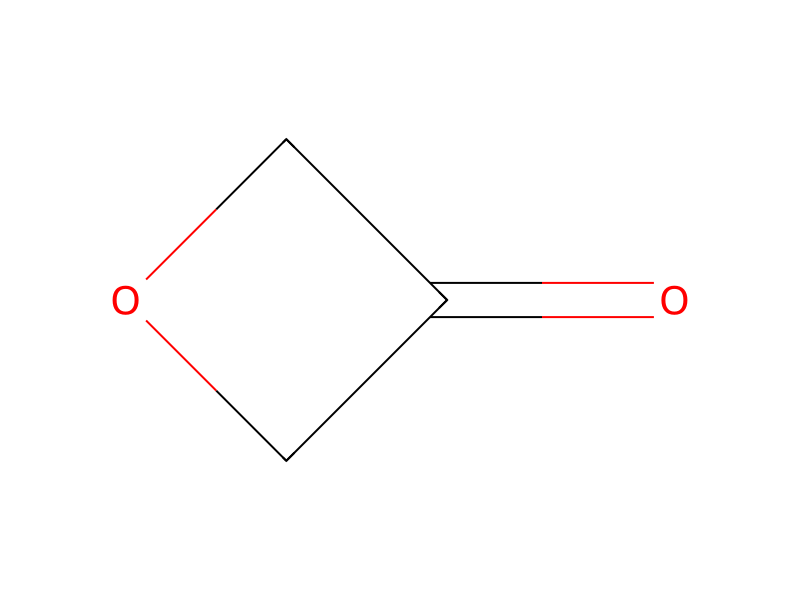
C([Li])CCC.Br[C:7]1[CH:12]=[CH:11][C:10]([Br:13])=[CH:9][CH:8]=1.[O:14]1[CH2:17][C:16](=[O:18])[CH2:15]1.[NH4+].[Cl-]>O1CCCC1>[Br:13][C:10]1[CH:11]=[CH:12][C:7]([C:16]2([OH:18])[CH2:17][O:14][CH2:15]2)=[CH:8][CH:9]=1Participants
6
Reactant 4



Product 1

Reagents, catalysts & solvents 1

Conditions
- Temperature
- -78 °C
Procedure
n-Butyllithium (1.6 mol/L in hexanes, 1.33 mL) was added to a solution of 1,4-dibromobenzene (0.50 g) in tetrahydrofuran (5 mL) cooled to −78° C. The solution was stirred at this temperature for 30 min prior to the dropwise addition of 3-oxetanone (0.15 g) dissolved in tetrahydrofuran (2 mL). The solution was warmed in the cooling bath to room temperature overnight. Aqueous NH4Cl solution was then added and the resulting mixture was extracted with ethyl acetate. The combined extracts were dried (Na2SO4) and the solvent was evaporated. The residue was purified by HPLC on reversed phase (acetonitrile/water) to give the title compound. Yield: 0.19 g (39% of theory); Mass spectrum (ESI−): m/z=273/275 (Br) [M+HCOO]−.
Workup
- temperatureThe solution was warmed in the cooling bath to room temperature overnight
- extractionthe resulting mixture was extracted with ethyl acetate
- dry with materialThe combined extracts were dried (Na2SO4)
- customthe solvent was evaporated
- customThe residue was purified by HPLC on reversed phase (acetonitrile/water)
Sources & evidence
- ORD record
- ord-a8c570b7953745ed953006999c22ef02
- Source dataset
- uspto-grants-2015_01
- Patent number
- US08933072B2
Reaction notes
Loading…