4-Fluorobenzylamine → 5-(3-Pyrrolidin-1-yl-propoxy)-1H-pyrrolo[2,3-b]pyridine-2-carboxylic Acid 4-fluoro-benzylamide
Reaction equation

[N:1]1([CH2:6][CH2:7][CH2:8][O:9][C:10]2[CH:11]=[C:12]3[CH:18]=[C:17]([C:19]([O-:21])=O)[NH:16][C:13]3=[N:14][CH:15]=2)[CH2:5][CH2:4][CH2:3][CH2:2]1.[Li+].F[B-](F)(F)F.N1(OC(N(C)C)=[N+](C)C)C2C=CC=CC=2N=N1.[F:45][C:46]1[CH:53]=[CH:52][C:49]([CH2:50][NH2:51])=[CH:48][CH:47]=1.C(N(CC)C(C)C)(C)C>>[F:45][C:46]1[CH:53]=[CH:52][C:49]([CH2:50][NH:51][C:19]([C:17]2[NH:16][C:13]3=[N:14][CH:15]=[C:10]([O:9][CH2:8][CH2:7][CH2:6][N:1]4[CH2:2][CH2:3][CH2:4][CH2:5]4)[CH:11]=[C:12]3[CH:18]=2)=[O:21])=[CH:48][CH:47]=1Participants
5
Reactant 4
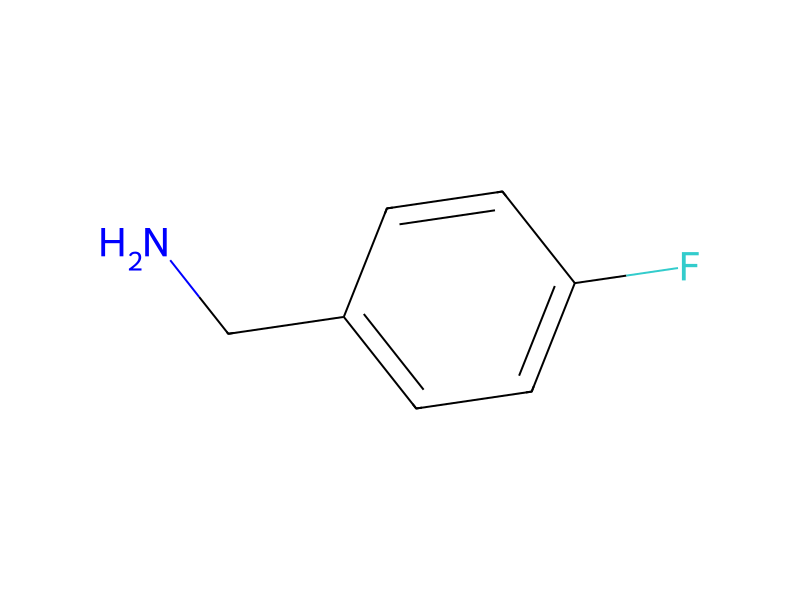

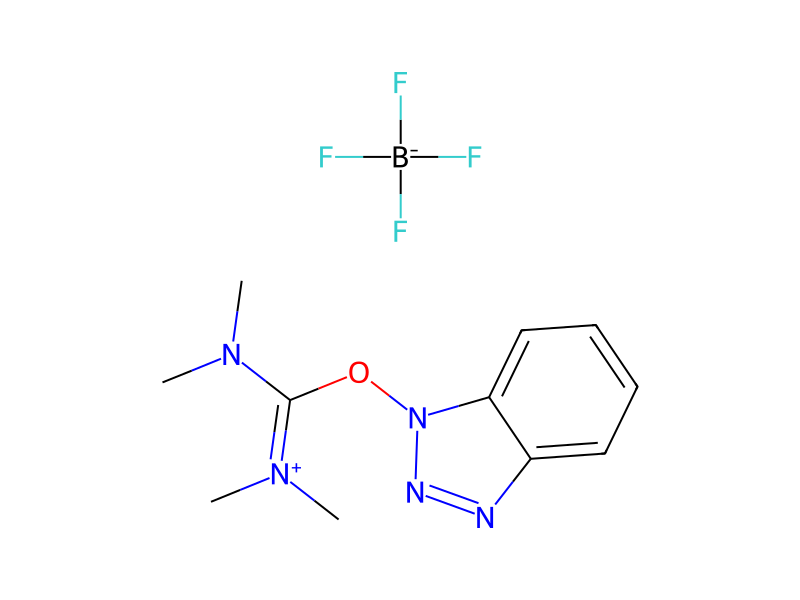

Product 1

Procedure
The title compound was synthesized in analogy to example 1 from lithium 5-(3-pyrrolidin-1-yl-propoxy)-1H-pyrrolo[2,3-b]pyridine-2-carboxylate, O-(benzotriazol-1-yl)-N,N,N′,N′-tetramethyluronium tetrafluoroborate, 4-fluorobenzylamine and N,N-diisopropylethylamine to give the desired product as a light yellow solid (29%).
Sources & evidence
- ORD record
- ord-992bac1ed16548d2a77e317853ca3f1f
- Source dataset
- uspto-grants-2009_11
- Patent number
- US07622466B2
Reaction notes
Loading…