Methane → Iminostilbene N-carbonylchloride
Reaction equation

[CH:1]1[C:11]2[CH:10]=[CH:9][C:8]3[CH:12]=[CH:13][CH:14]=[CH:15][C:7]=3[NH:6][C:5]=2[CH:4]=[CH:3][CH:2]=1.[C:16](Cl)([Cl:18])=[O:17].C>C1(C)C=CC=CC=1.C1C=CC=CC=1>[Cl:18][C:16]([N:6]1[C:7]2[CH:15]=[CH:14][CH:13]=[CH:12][C:8]=2[CH:9]=[CH:10][C:11]2[CH:1]=[CH:2][CH:3]=[CH:4][C:5]1=2)=[O:17]Participants
Reactant 3
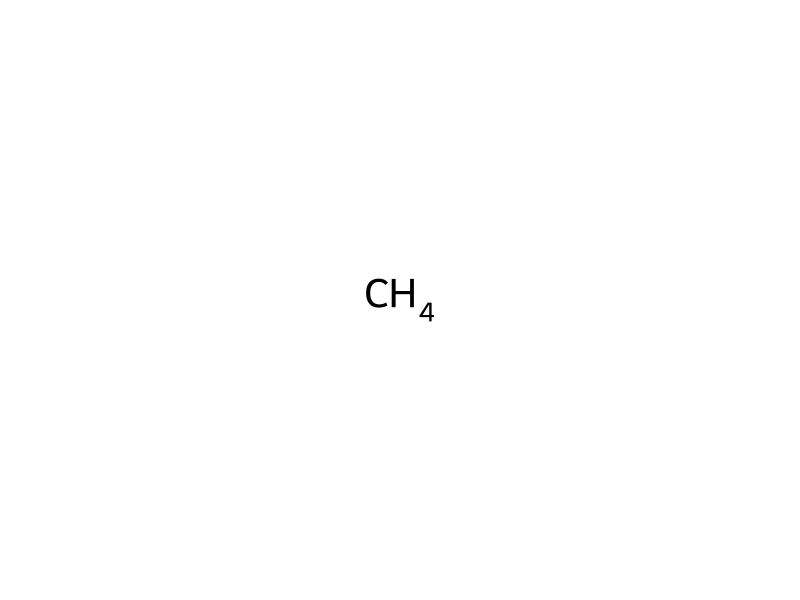


Product 1

Reagents, catalysts & solvents 2


Procedure
To a slurry of 14.10g (0.073 mole) of dibenz[b,f]azepine in 60ml of dry toluene at room temperature was added dropwise a 120ml solution of 12.5% phosgene (excess) in benzene over 45 minutes. The resulting yellow slurry was stirred for 2 hours at room temperature, heated to reflux an additional 2 hours, and then stirred at room temperature overnight. Concentration of the reaction mixture by rotary evaporator in the hood gave a pale yellow solid which was taken up in 200ml benzene and treated with Norit-AR at boiling. The hot solution was filtered through celite, concentrated to one half of its original volume, cooled to room temperature and petroleum ether added to turbidity; white crystals of the named product precipitated. Yield, 14.4g, m.p. 145°-150°. Recrystallization from benzene-hexane afforded needles m.p. 150°-156.5°.
Workup
- temperatureheated
- temperatureto reflux an additional 2 hours
- stirringstirred at room temperature overnight
- customConcentration of the reaction mixture by rotary evaporator in the hood
- customgave a pale yellow solid which
- filtrationThe hot solution was filtered through celite
- concentrationconcentrated to one half of its original volume
- temperaturecooled to room temperature
- additionpetroleum ether added to turbidity
- customwhite crystals of the named product precipitated
- customYield
- customRecrystallization from benzene-hexane afforded needles m.p. 150°-156.5°
Sources & evidence
- ORD record
- ord-7e5051e944aa4e2484d43da2d6c0793a
- Source dataset
- uspto-grants-1977_11
- Patent number
- US04058511
Reaction notes
Loading…