Water → 1-[3-(Piperidin-1-yl)propyl]-1H-benzimidazol-2-amine
Reaction equation

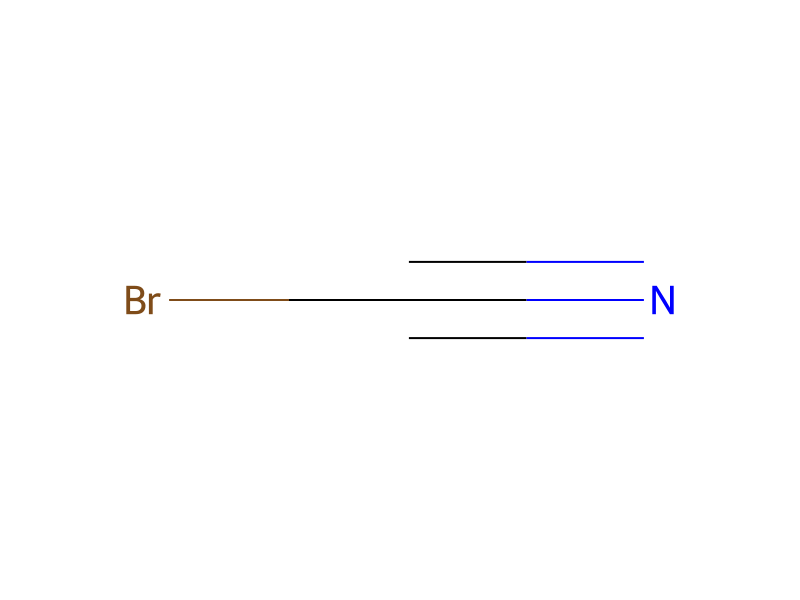
[N:1]1([CH2:7][CH2:8][CH2:9][NH:10][C:11]2[CH:16]=[CH:15][CH:14]=[CH:13][C:12]=2[NH2:17])[CH2:6][CH2:5][CH2:4][CH2:3][CH2:2]1.O.[N:19]#[C:20]Br.[OH-].[K+]>C(O)(C)C>[N:1]1([CH2:7][CH2:8][CH2:9][N:10]2[C:11]3[CH:16]=[CH:15][CH:14]=[CH:13][C:12]=3[N:17]=[C:20]2[NH2:19])[CH2:2][CH2:3][CH2:4][CH2:5][CH2:6]1Participants




Procedure
To a stirred suspension of 20.0 g. (0.086 mole) of N-[3-(1-piperidinyl)propyl]-o-phenylenediamine in 80 ml. water, 20 ml. of isopropanol was added to obtain a homogenous solution. With continued stirring, 21.2 g. (0.200 mole) of cyanogen bromide was added in portions over a one hour period. Room temperature was maintained throughout the addition. After stirring for an additional 2 hours the reaction mixture was allowed to stand overnight. The mixture was then poured into ice-water, made strongly alkaline with KOH and extracted with methylene chloride. The extracts were evaporated to a red oil which crystallized from ether, 7.9 g. (36% yield), m.p. 176°-178° C. An analytical sample of 1-[3-(1-piperidinyl)propyl]-2-amino benzimidazole was obtained by crystallization from benzene-cyclohexane, m.p. 179°-181° C.
Workup
- additionTo a stirred suspension of 20.0 g
- customto obtain a homogenous solution
- stirringAfter stirring for an additional 2 hours the reaction mixture
- extractionextracted with methylene chloride
- customThe extracts were evaporated to a red oil which
- customcrystallized from ether, 7.9 g
Sources & evidence
- ORD record
- ord-a17e63b7870e4eeda4fefbcfbcafabb4
- Source dataset
- uspto-grants-1977_11
- Patent number
- US04059584
Reaction notes
Loading…