Potassium Carbonate → N-[2-(1H-benzimidazol-2-yl)phenyl]propanamide
Reaction equation

[NH2:1][C:2]1[CH:7]=[CH:6][CH:5]=[CH:4][C:3]=1[C:8]1[NH:9][C:10]2[CH:16]=[CH:15][CH:14]=[CH:13][C:11]=2[N:12]=1.C(=O)([O-])[O-].[K+].[K+].[C:23](Cl)(=[O:26])[CH2:24][CH3:25]>C(#N)C>[NH:12]1[C:11]2[CH:13]=[CH:14][CH:15]=[CH:16][C:10]=2[N:9]=[C:8]1[C:3]1[CH:4]=[CH:5][CH:6]=[CH:7][C:2]=1[NH:1][C:23](=[O:26])[CH2:24][CH3:25]Participants
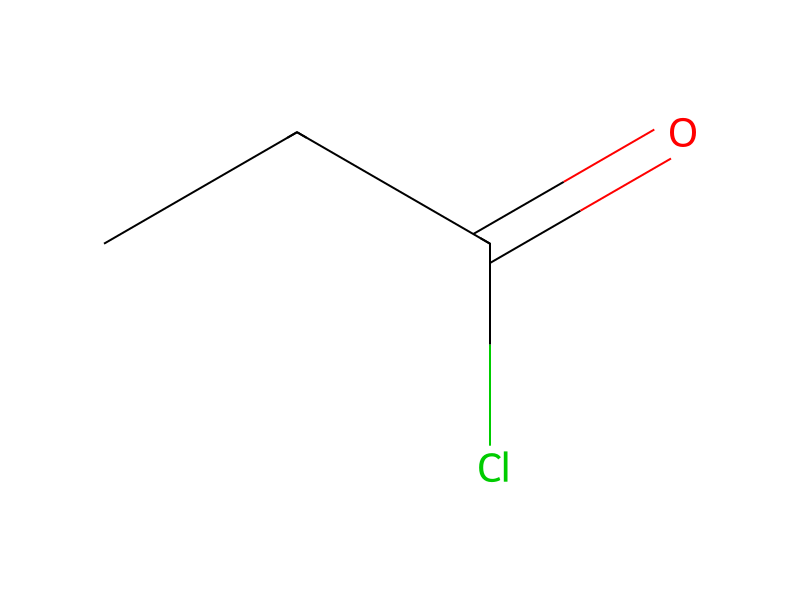
Reactant 3


Product 1

Reagents, catalysts & solvents 1

Procedure
To a solution/suspension of 2-(2-aminophenyl) benzimidazole (5.0 g, 23.0 mmol), potassium carbonate (9.5 g, 69.0 mmol) in acetonitrile (300 mL) at 0° C. was added propionyl chloride (2.3 g, 23.0 mmol). The reaction mixture was allowed to warm to room temperature, stir overnight, followed by filtration to remove the white solid. This was washed thoroughly with acetonitrile. The acetonitrile was concentrated in vacuo, the residue extracted into methylene chloride, washed with potassium carbonate (saturated solution) and the organic layer was dried over anhydrous magnesium sulfate. The methylene chloride was removed in vacuo and the resulting solid was recrystallized from methanol, m.p. >200° C. 1H NMR (300 MHz, DMSO-d6) δ13.14 (bs, 1H), 13.00 (s, 1H), 8.70 (d, J=8.4 Hz, 1H), 8.10 (d, J=8.0 Hz, 1H), 7.71 (d, J=7.2 Hz, 1H), 7.57 (d, J=8.3 Hz, 1H), 7.46 (t, J=8.0 Hz, 1H), 7.31-7.20 (m, 3H), 2.53 (q, J=7.5 Hz, 2H), 1.23 (t, J=7.5 Hz, 313C NMR (75 MHz, DMSO-d6) δ172.2, 150.9, 172.1, 138.4, 133.4, 130.7, 127.3, 123.5, 122.7, 122.3, 119.8, 118.6, 115.2, 111.5, 31.1, 9.6; IR (KBr)3262, 1662 cm-1 ; MS (DCI) m/e MH+ =266; Analysis calc'd for C16H15N3O1 /0.4H2O1 : C, 70.53; H, 5.64; N, 15.37; H2O1, 2.40; found: C, 70.52; H, 5.84; N, 15.42; H2O1, 2.64.
Workup
- filtrationfollowed by filtration
- customto remove the white solid
- washThis was washed thoroughly with acetonitrile
- concentrationThe acetonitrile was concentrated in vacuo
- extractionthe residue extracted into methylene chloride
- washwashed with potassium carbonate (saturated solution)
- dry with materialthe organic layer was dried over anhydrous magnesium sulfate
- customThe methylene chloride was removed in vacuo
- customthe resulting solid was recrystallized from methanol, m.p. >200° C
Sources & evidence
- ORD record
- ord-651c1d5eda9d47aa8ac829296bb0afe7
- Source dataset
- uspto-grants-1996_03
- Patent number
- US05496826
Reaction notes
Loading…