Borate → 4-Acetamino-6,7-epoxy-androsta-1,4-diene-3,17-dione
Reaction equation

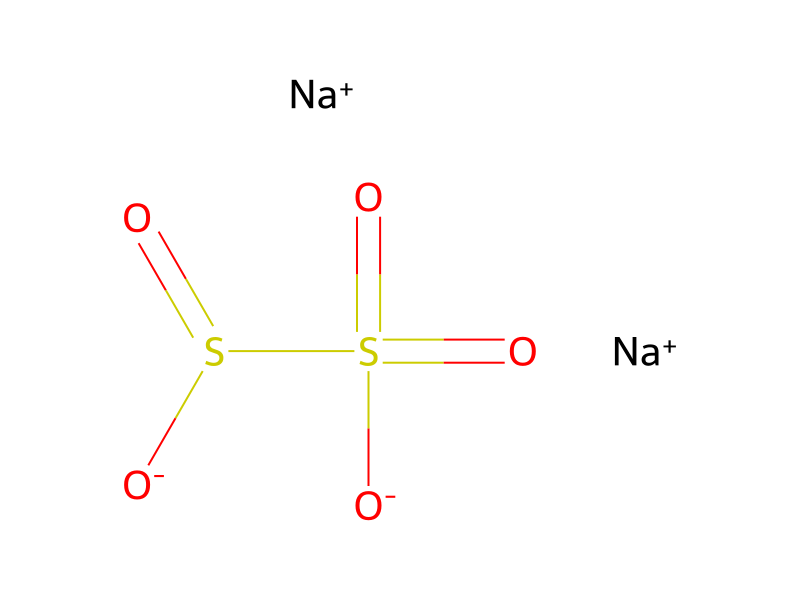
[NH:1]([C:5]1[C:22](=[O:23])[CH:21]=[CH:20][C@@:19]2([CH3:24])[C:6]=1[CH:7]=[CH:8][C@@H:9]1[C@@H:18]2[CH2:17][CH2:16][C@@:14]2([CH3:15])[C@H:10]1[CH2:11][CH2:12][C:13]2=[O:25])[C:2]([CH3:4])=[O:3].B([O-])([O-])[O-:27].ClC1C=CC=C(C(OO)=O)C=1.S(S([O-])=O)([O-])(=O)=O.[Na+].[Na+]>C(Cl)Cl>[NH:1]([C:5]1[C:22](=[O:23])[CH:21]=[CH:20][C@@:19]2([CH3:24])[C:6]=1[CH:7]1[O:27][CH:8]1[C@@H:9]1[C@@H:18]2[CH2:17][CH2:16][C@@:14]2([CH3:15])[C@H:10]1[CH2:11][CH2:12][C:13]2=[O:25])[C:2]([CH3:4])=[O:3]Participants
6





Procedure
To a stirred solution of 4-acetamino-androsta-1,4,6-triene-3,17-dione (3.384 g, 10 mmol) in CH2Cl2 (100 ml) was added borate buffer of pH 8 (50 ml) and then gradually 50% m-chloroperbenzoic acid (6.9 g, 20 mmol) under cooling. The mixture was stirred for 6 h at room temperature until total conversion (TLC monitoring). The mixture was then stirred with 20% sodium metabisulfite solution for 1 h at room temperature. Finally the organic phase was separated, dried and evaporated under vacuum. The residue was submitted to flash chromatography on silica gel with EtOAc thus giving pure title compound in 50% yield (1.772 g).
Workup
- customFinally the organic phase was separated
- customdried
- customevaporated under vacuum
Sources & evidence
- ORD record
- ord-1061e77345b34ada95bb04e06cf2d3ca
- Source dataset
- uspto-grants-1996_03
- Patent number
- US05502044
Reaction notes
Loading…