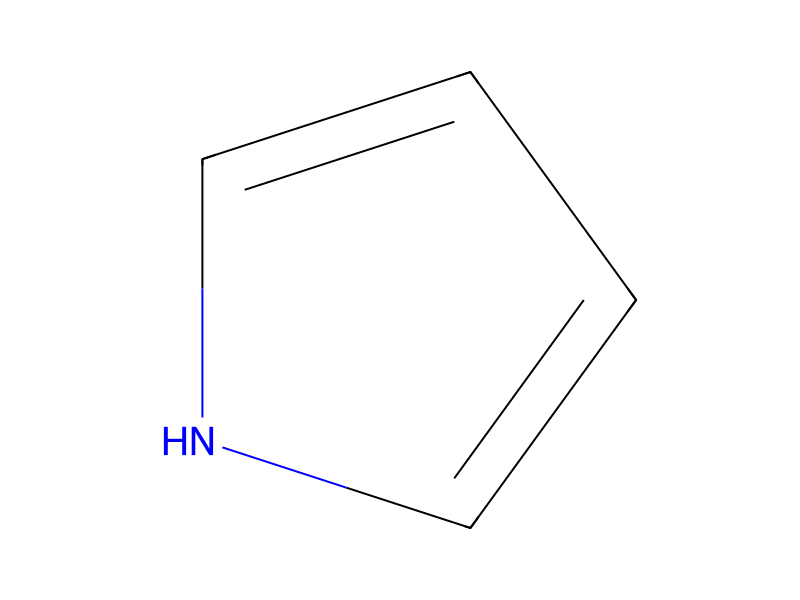
Pyrrole → HCID 20553464, compound
Reaction equation

[ClH:1].[Cl:2][CH2:3][CH2:4][O:5][C:6]1[CH:7]=[CH:8][C:9]2[C:18]([CH:19]=1)=[N:17][C:16]1[C:11](=[CH:12][CH:13]=[C:14]([O:20][CH2:21][CH2:22]Cl)[CH:15]=1)[CH:10]=2.[NH:24]1[CH:28]=[CH:27][CH:26]=[CH:25]1>>[ClH:2].[ClH:1].[ClH:2].[N:24]1([CH2:3][CH2:4][O:5][C:6]2[CH:7]=[CH:8][C:9]3[C:18]([CH:19]=2)=[N:17][C:16]2[C:11](=[CH:12][CH:13]=[C:14]([O:20][CH2:21][CH2:22][N:24]4[CH:28]=[CH:27][CH:26]=[CH:25]4)[CH:15]=2)[CH:10]=3)[CH:28]=[CH:27][CH:26]=[CH:25]1Participants
3


Procedure
The compound is prepared from 3,6-bis(2-chloroethoxy)acridine hydrochloride and pyrrole as described in Example 46.
Sources & evidence
- ORD record
- ord-3c5def076dd548b9936f2ae2e1cc08c3
- Source dataset
- uspto-grants-1982_02
- Patent number
- US04314061
Reaction notes
Loading…