2,3-Butanediol → N-(4,5-Dimethyl-1,3-dioxolan-2-YL)-N-methyl-2-chloroacetamide
Reaction equation

COC(OC)[CH2:4][N:5]([CH3:10])[C:6](=[O:9])[CH2:7][Cl:8].[CH3:13][CH:14]([OH:18])[CH:15]([OH:17])[CH3:16].C1(C)C=CC(S(O)(=O)=O)=CC=1>CO>[CH3:16][CH:15]1[CH:14]([CH3:13])[O:18][CH:4]([N:5]([CH3:10])[C:6](=[O:9])[CH2:7][Cl:8])[O:17]1Participants
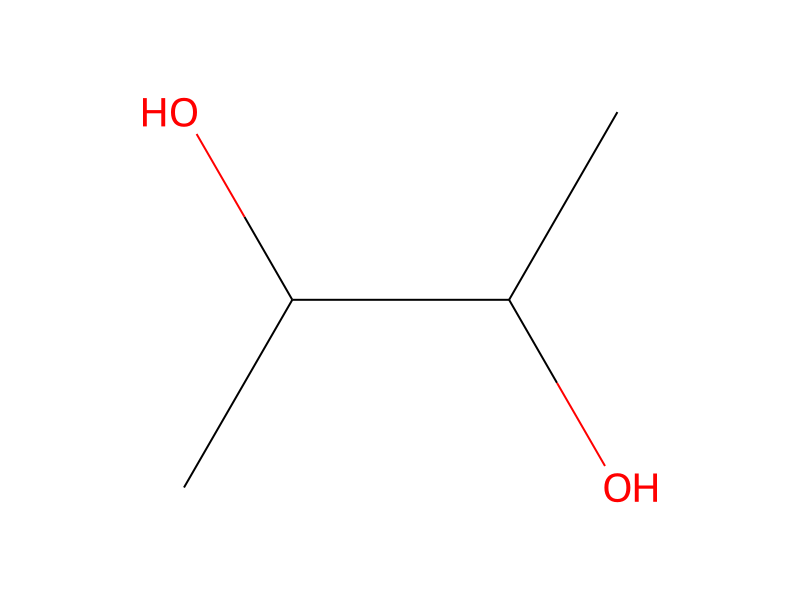




Conditions
- Temperature
- 110 °C
Procedure
N-(2,2-Dimethoxyethyl)-N-methyl-2-chloroacetamide (97.8 grams; 0.5 mole), 2,3-butanediol (45 grams) and 0.2 grams p-toluenesulfonic acid were charged into a glass reaction vessel fitted with a mechanical stirrer, thermometer, distilling head and condenser. The reaction mixture was heated at about 90° C. to 100° for a period of 5 hours. Little reaction occurred as shown by the absence of methanol distilled. The reaction mixture was then heated at about 110° C., for about 2 hours at atmospheric pressure, then 1 hour at reduced pressure. Under these more rigorous conditions, methanol was formed and was distilled off. At the conclusion of the reaction, the reaction mixture was distilled and the fraction boiling at 127° C. to 130° C. at 0.55 mm Hg was the desired product N-(4,5-dimethyl-1,3-dioxolan-2-yl)-N-methyl-2-chloroacetamide.
Workup
- customfitted with a mechanical stirrer
- distillationthermometer, distilling head and condenser
- temperatureThe reaction mixture was heated at about 90° C. to 100° for a period of 5 hours
- customLittle reaction
- distillationdistilled
- custom1 hour
- customUnder these more rigorous conditions, methanol was formed
- distillationwas distilled off
- customAt the conclusion of the reaction
- distillationthe reaction mixture was distilled
Sources & evidence
- ORD record
- ord-df5f30e24d8848b2aa8a27dab98251d0
- Source dataset
- uspto-grants-1982_02
- Patent number
- US04314840
Reaction notes
Loading…