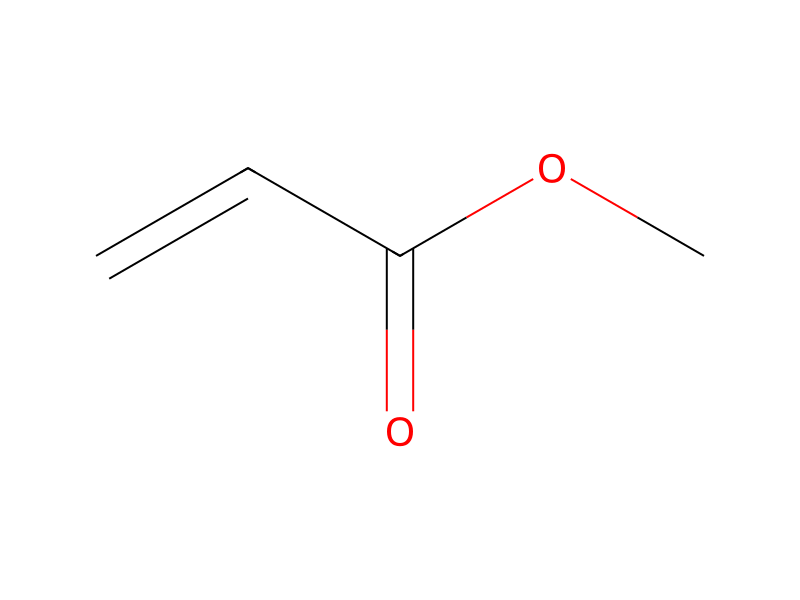
Methyl Acrylate → HCID 13233241, compound
Reaction equation

Cl([O-])(=O)(=O)=O.[CH2:6]([CH:8]1[C:17]2[C:16]3[NH:18][C:19]4[C:24]([C:15]=3[CH2:14][CH2:13][N+:12]=2[CH2:11][CH2:10][CH2:9]1)=[CH:23][C:22]([Br:25])=[CH:21][CH:20]=4)[CH3:7].[OH-].[Na+].[C:28]([O:32][CH3:33])(=[O:31])[CH:29]=[CH2:30]>ClCCl.O>[CH3:28][O-:31].[CH2:6]([C:8]1([CH2:30][CH2:29][C:28]([O:32][CH3:33])=[O:31])[C:17]2[C:16]3=[N:18][C:19]4[C:24]([CH:15]3[CH2:14][CH2:13][N+:12]=2[CH2:11][CH2:10][CH2:9]1)=[CH:23][C:22]([Br:25])=[CH:21][CH:20]=4)[CH3:7]Participants
Reactant 3


Product 1

Reagents, catalysts & solvents 2


Procedure
7.00 g. (16.2 mmoles) of 1-ethyl-9-bromo-1,2,3,4,6,7-hexahydro-12H-indolo[2,3-a]quinolizin-5-ium perchlorate are dissolved in 160 ml. of dichloromethane, the solution is poured into a separatory funnel, and the mixture of 28 ml. of a 10% aqueous sodium hydroxide solution and 111 ml. of water is added. The two-phase mixture is shaken thoroughly, the organic phase is separated, dried over anhydrous potassium carbonate, and filtered. 8.90 g. (103.5 mmoles) of methyl acrylate are added to the filtrate, which is a dichloro-methane solution of the free base. The resulting mixture is allowed to stand at room temperature for 2 days, thereafter the solvent is evaporated in vacuo, and the oily residue is crystallized from methanol. In this way 4.70 g. (64.5%) of 1-ethyl-1-(2'-methoxycarbonylethyl)-9-bromo-1,2,3,4,6,7-hexahydro-7aH-indolo[2,3-a]quinolizin-5-ium methoxide are obtained in the form of orange red crystals; m.p.: 140°-142° C. (from methanol).
Workup
- additionthe mixture of 28 ml
- customthe organic phase is separated
- dry with materialdried over anhydrous potassium carbonate
- filtrationfiltered
- customthe solvent is evaporated in vacuo
- customthe oily residue is crystallized from methanol
Sources & evidence
- ORD record
- ord-9688a57b2cc7406f8e3115dab502fa3d
- Source dataset
- uspto-grants-1982_02
- Patent number
- US04315011
Reaction notes
Loading…