Potassium Carbonate → Ethyl 6-nitro-3,4-dihydro-2H-1,4-benzoxazine-2-carboxylate
Reaction equation

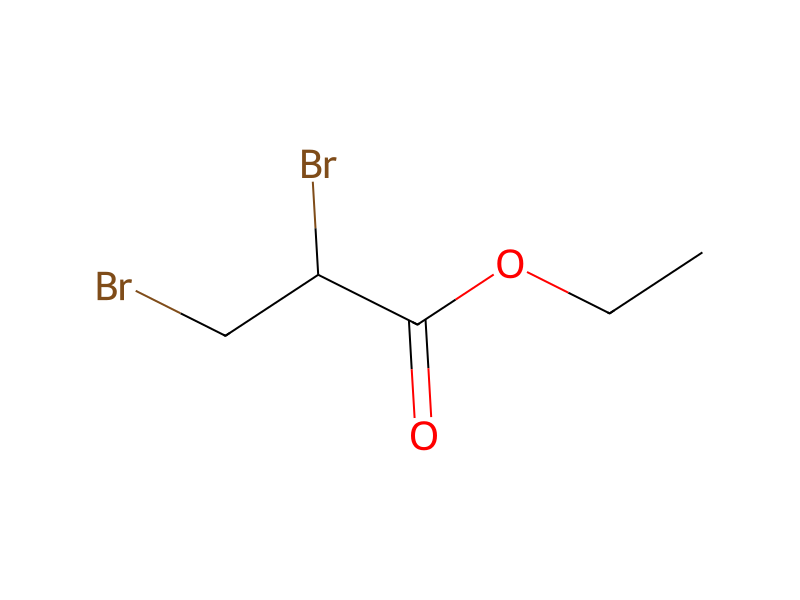
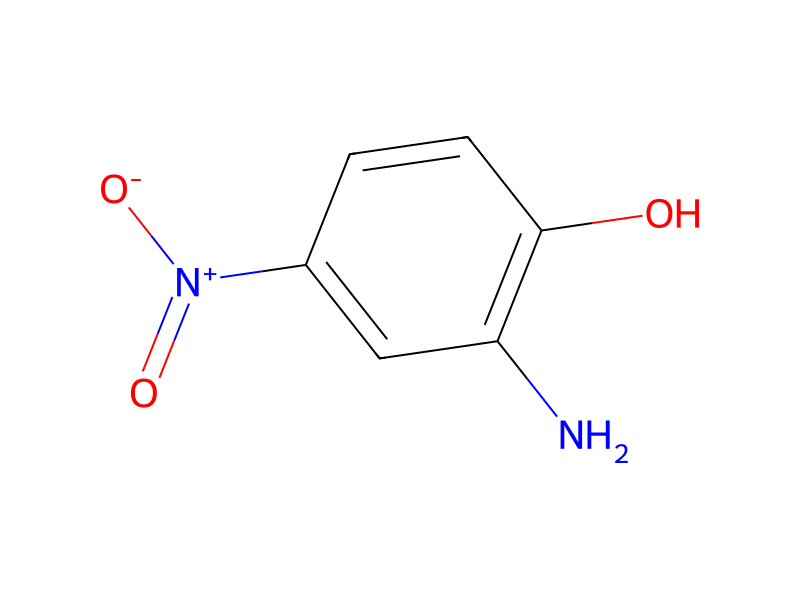
Br[CH:2]([CH2:8]Br)[C:3]([O:5][CH2:6][CH3:7])=[O:4].C(=O)([O-])[O-].[K+].[K+].[N+:16]([C:19]1[CH:24]=[CH:23][C:22]([OH:25])=[C:21]([NH2:26])[CH:20]=1)([O-:18])=[O:17]>CC(C)=O>[N+:16]([C:19]1[CH:24]=[CH:23][C:22]2[O:25][CH:2]([C:3]([O:5][CH2:6][CH3:7])=[O:4])[CH2:8][NH:26][C:21]=2[CH:20]=1)([O-:18])=[O:17]Participants
5
Reactant 3

Product 1

Reagents, catalysts & solvents 1

Procedure
29.2 g of ethyl 2,3-dibromopropionate was added dropwise to a refluxing mixture of 19 g of anhydrous potassium carbonate, 70.9 g of 4-nitro-2-aminophenol and 500 ml of dry acetone. This procedure was repeated thrice. The reaction mixture was refluxed for 17 hours, then filtered. The solvent was evaporated from the filtrate under reduced pressure. The residue was washed with dilute sodium hydroxide solution, extracted with ether, then with methylene chloride. The solvent was evaporated separately from each extract. Thin layer chromatographic analysis indicated that the produce from each of the extracts was the same. The products was combined and recrystallized from ether to give 4, as a solid, m.p.: 88°-90° C.
Workup
- temperatureThe reaction mixture was refluxed for 17 hours
- filtrationfiltered
- customThe solvent was evaporated from the filtrate under reduced pressure
- washThe residue was washed with dilute sodium hydroxide solution
- extractionextracted with ether
- customThe solvent was evaporated separately from each extract
- customproduce from each of the extracts
- customrecrystallized from ether
- customto give 4
Sources & evidence
- ORD record
- ord-b80a57ffdb0d48b480d5b1fd6211d4a3
- Source dataset
- uspto-grants-1979_12
- Patent number
- US04180572
Reaction notes
Loading…