Dichloromethane → HCID 70583947, compound
Reaction equation

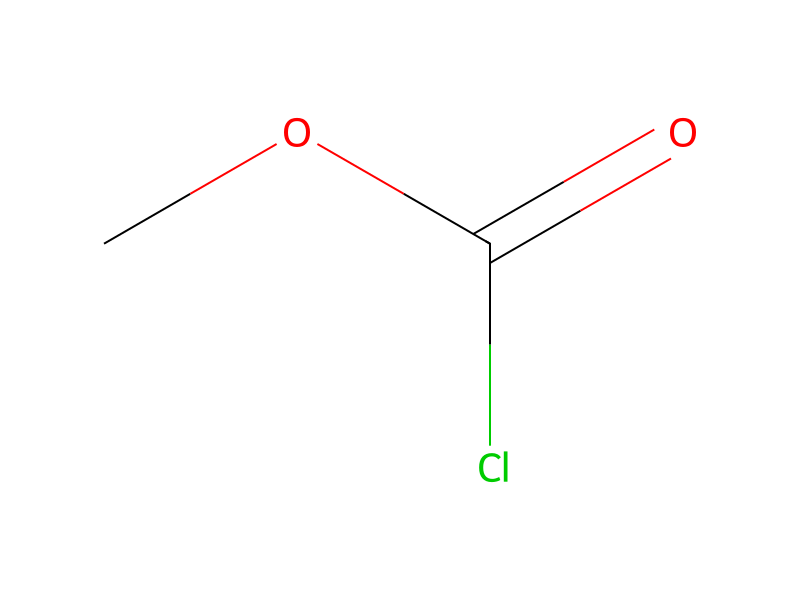
C(OC([NH:8][CH:9]1[CH2:14][CH:13]=[CH:12][C:11]([C:15]([OH:17])=O)=[CH:10]1)=O)(C)(C)C.[Cl:18]CCl.ClC(OC)=O.C[O:27][C:28](=[O:32])[C@H:29]([CH3:31])[NH2:30]>C(N(CC)CC)C>[ClH:18].[NH2:8][CH:9]1[CH2:14][CH:13]=[CH:12][C:11]([C:15]([NH:30][C@H:29]([C:28]([OH:32])=[O:27])[CH3:31])=[O:17])=[CH:10]1Participants
Reactant 4



Product 1

Reagents, catalysts & solvents 1

Conditions
- Temperature
- 25 °C
Procedure
A solution of 240 mg (1 m mole) of 3-tert-butoxycarbonylamino-1,5-cyclohexadiene carboxylic acid and 5 ml of dichloromethane is treated with 202 mg (2 m mole) of triethylamine and 94 mg (1 mole) of methyl chloroformate. After 30 minutes at 25° C. the solution is treated with 103 mg (1 m mole) of alanine methylester and maintained at 25° C. for 1 hour after which the solution is washed with water, dryed and concentrated. The residue is treated with 3 ml of methanol and 120 mg of sodium hydroxide in 2 ml of water for 3 hours at 25° C. then solidified and extracted with dichloromethane. The organic phase is dryed and concentrated. The residue is treated with 7 ml of methanol containing 5% HCl for 18 hours at 25° C. Evaporation affords N-(3-amino-1,5-cyclohexadienyl)carbonylalanine hydrochloride.
Workup
- washis washed with water
- concentrationconcentrated
- additionThe residue is treated with 3 ml of methanol and 120 mg of sodium hydroxide in 2 ml of water for 3 hours at 25° C.
- extractionextracted with dichloromethane
- concentrationconcentrated
- additionThe residue is treated with 7 ml of methanol containing 5% HCl for 18 hours at 25° C
- customEvaporation
Sources & evidence
- ORD record
- ord-16225e918e4f4c8cb86a9384afa7609a
- Source dataset
- uspto-grants-1980_02
- Patent number
- US04187316
Reaction notes
Loading…