Water → 1-Fluoro-4-hydroxy-1,4-diazoniabicyclo[2.2.2]octane bis(tetrafluoroborate)
Reaction equation

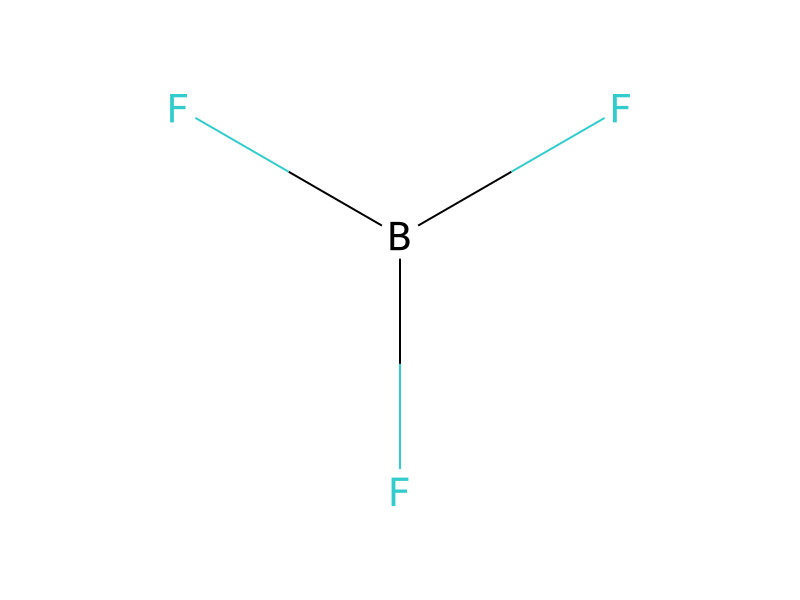
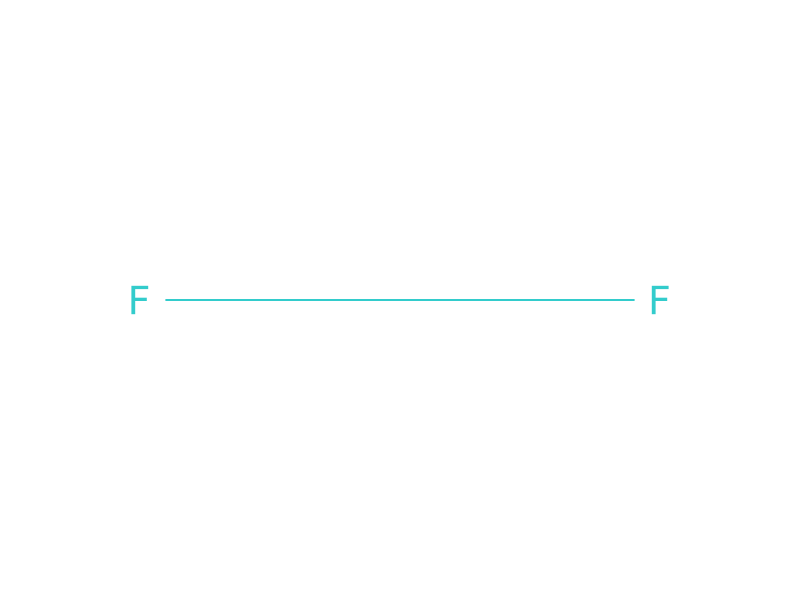
[N:1]12[CH2:8][CH2:7][N+:4]([O-:9])([CH2:5][CH2:6]1)[CH2:3][CH2:2]2.O.[B:11]([F:14])([F:13])[F:12].[F:15]F>C(#N)C>[F:12][B-:11]([F:15])([F:14])[F:13].[F:12][B-:11]([F:15])([F:14])[F:13].[OH:9][N+:4]12[CH2:7][CH2:8][N+:1]([F:12])([CH2:6][CH2:5]1)[CH2:2][CH2:3]2Participants
6




Procedure
A solution of 1,4-diazabicyclo[2.2.2]octane N-oxide (12.8 g, 0.1 mole), water (1.8 mL, 0.1 mole) and boron trifluoride (13.6 g, 0.2 mole) in acetonitrile (250 mL) was cooled to 8° C. and treated with a mixture of fluorine in nitrogen (10% V/V, 0.2 mole). The reaction was evaporated, the remaining solid washed with acetone and dried to afford 22 grams of 1-hydroxyl-4-fluoro-1,4-diazoniabicyclo[2.2.2]octane bis(tetrafluoroborate) (68% yield).
Workup
- customThe reaction was evaporated
- washthe remaining solid washed with acetone
- customdried
Sources & evidence
- ORD record
- ord-03d24502c2ed469781e6b188e2cfb98f
- Source dataset
- uspto-grants-1997_02
- Patent number
- US05606084
Reaction notes
Loading…