Sodium Hydroxide → 4-Bromo-2-chloro-6-ethylphenol
Reaction equation

[OH-].[Na+].O.NN.[Br:6][C:7]1[CH:8]=[C:9]([Cl:17])[C:10]([OH:16])=[C:11]([C:13](=O)[CH3:14])[CH:12]=1>C(O)COCCOCCO>[Br:6][C:7]1[CH:12]=[C:11]([CH2:13][CH3:14])[C:10]([OH:16])=[C:9]([Cl:17])[CH:8]=1Participants
5




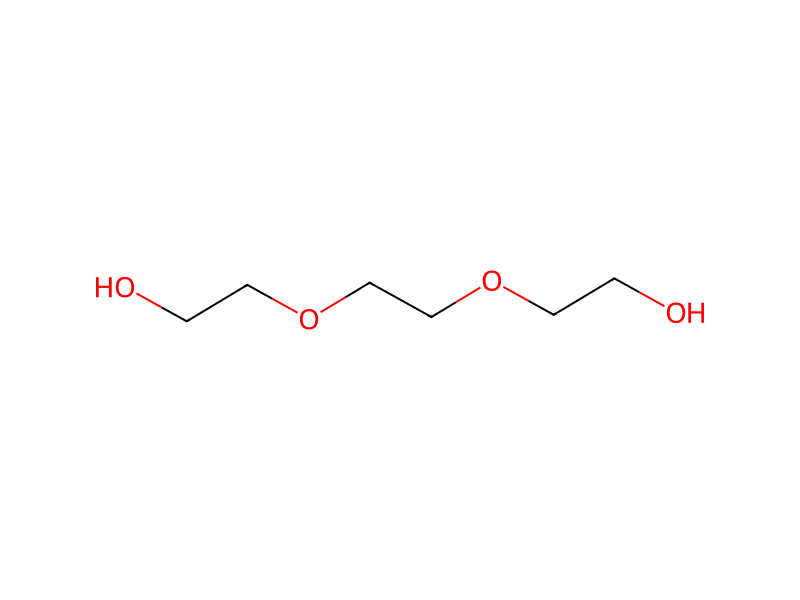
Conditions
- Temperature
- 160 °C
Procedure
Sodium hydroxide (1.2 g, 30 mmol) and hydrazine monohydrate (1.75 mL, 36 mmol) were added to a solution of 5′-bromo-3′-chloro-2′-hydroxyacetophenone (3 g, 12 mmol) dissolved in triethylene glycol (15 mL). The reaction mixture was heated to 160° C. for 72 hours and then partitioned between 1N HCl and EtOAc. The organic layer was washed with saturated NaHCO3, brine, dried over Na2SO4 and concentrated. The residue was purified by flash silica gel chromatography (0% to 10% EtOAc in hexanes) to give the title compound (2.34 g, 83%). 1H NMR (400 MHz, CDCl3): δ 1.22 (t, J=7.6 Hz, 3H), 2.65 (q, J=7.6 Hz, 2H), 5.55 (s, 1H), 7.17 (s, 1H), 7.31 (s, 1H).
Workup
- custompartitioned between 1N HCl and EtOAc
- washThe organic layer was washed with saturated NaHCO3, brine
- dry with materialdried over Na2SO4
- concentrationconcentrated
- customThe residue was purified by flash silica gel chromatography (0% to 10% EtOAc in hexanes)
Sources & evidence
- ORD record
- ord-5ba219b2df4d4a9d962d76e6c71051d4
- Source dataset
- uspto-grants-2009_01
- Patent number
- US07473790B2
Reaction notes
Loading…