Phosphate → 934338-70-2
Reaction equation

[Cl:1][C:2]1[CH:3]=[C:4]([C:8]2[O:12][N:11]=[C:10]([C@H:13]([O:15][C:16]3[N:17]([CH3:27])[C:18]([C:21]4[CH:26]=[CH:25][N:24]=[CH:23][CH:22]=4)=[N:19][N:20]=3)[CH3:14])[CH:9]=2)[CH:5]=[CH:6][CH:7]=1.P([O-])([O-])([O-])=O>C(O)C>[ClH:1].[Cl:1][C:2]1[CH:3]=[C:4]([C:8]2[O:12][N:11]=[C:10]([C@H:13]([O:15][C:16]3[N:17]([CH3:27])[C:18]([C:21]4[CH:22]=[CH:23][N:24]=[CH:25][CH:26]=4)=[N:19][N:20]=3)[CH3:14])[CH:9]=2)[CH:5]=[CH:6][CH:7]=1Participants
Reactant 2
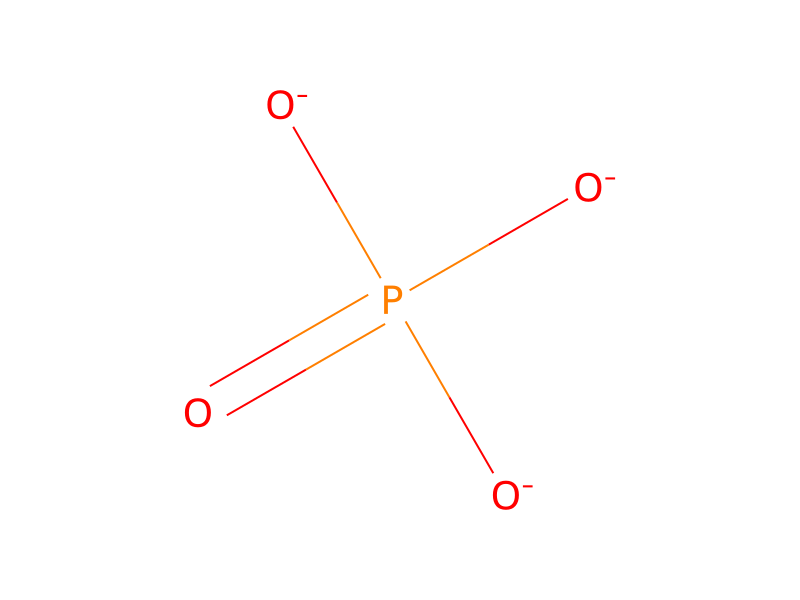

Product 1

Reagents, catalysts & solvents 1

Procedure
The salt manufactured at 1 g scale from ethanol was further investigated for its intrinsic dissolution rate and compared to the free base of 4-(5-{(1R)-1-[5-(3-chlorophenyl)isoxazol-3-yl]ethoxy}-4-methyl-4H-1,2,4-triazol-3-yl)pyridine. The salt had a 1000 times higher intrinsic dissolution rate as compared to the free base. Dissolution rates of the base and salt were measured with a low-volume rotating disc method. Discs were compressed from pure compound and centrically mounted in a disc holder with an exposed area of 0.07 cm2. The disc holder rotated at 500 rpm immersed in 50 mL USP Phosphate buffer pH 6.8 at 37° C. The compound was analyzed UV-Online by a Spectrophotometer with a flow cell and a peristaltic pump with continuous circulation.
Workup
- dissolutionDissolution rates of the base and salt
Sources & evidence
- ORD record
- ord-d6caf126ba9b4ae4a3b7551802effbfe
- Source dataset
- uspto-grants-2009_01
- Patent number
- US07476684B2
Reaction notes
Loading…