Ammonium Chloride → HCID 21876045, compound
Reaction equation

[CH3:1][O:2][C:3]1[N:8]=[C:7]([NH:9][C:10]2[CH:15]=[CH:14][C:13]([CH2:16][CH2:17][OH:18])=[CH:12][CH:11]=2)[C:6]([N+:19]([O-])=O)=[CH:5][CH:4]=1.[Cl-].[NH4+]>C(O)C.O.[Fe]>[NH2:19][C:6]1[C:7]([NH:9][C:10]2[CH:15]=[CH:14][C:13]([CH2:16][CH2:17][OH:18])=[CH:12][CH:11]=2)=[N:8][C:3]([O:2][CH3:1])=[CH:4][CH:5]=1Participants
5
Reactant 2


Product 1

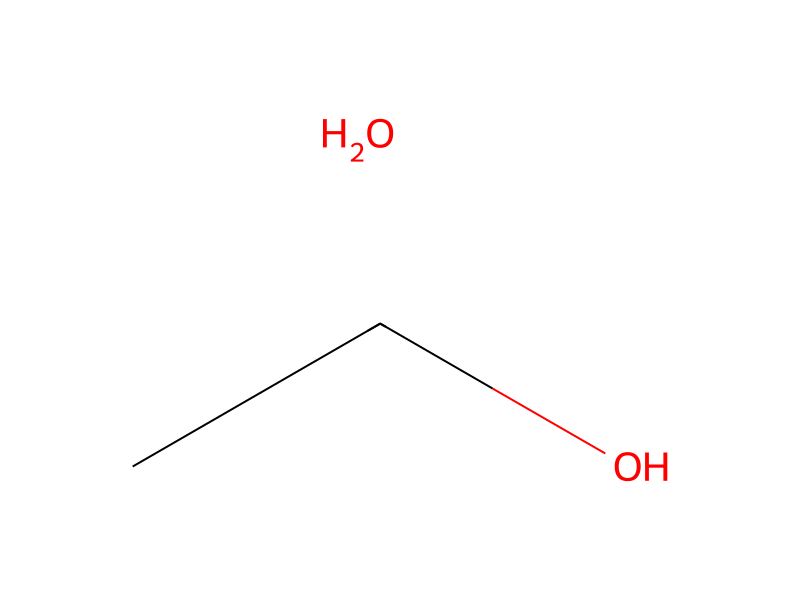
Reagents, catalysts & solvents 2

Procedure
A mixture of 2-{4-[(6-methoxy-3-nitro-2-pyridinyl)amino]phenyl}ethanol (step 1, 3.52 g, 12.17 mmol), iron powder (3.4 g, 60.84 mmol) and ammonium chloride (325 mg, 6.08 mmol) in ethanol/water (v/v, 2:1, 90 mL) was heated at reflux temperature for 1 h. After cooling, the catalyst was removed and the filtrate was concentrated. The residue was extracted with ethyl acetate (100 mL) and washed with water. The organic layer was dried (MgSO4), and concentrated to give 3.41 g (quant.) of the title compound as a black oil: 1H-NMR (CDCl3) δ 7.48 (2H, d, J=8.4 Hz), 7.14 (2H, d, J=8.4 Hz), 7.04 (1H, d, J=8.2 Hz), 6.75 (1H, br.s), 6.13 (1H, d, J=8.2 Hz), 3.87 (3H, s), 3.83 (2H, t, J=6.6 Hz), 2.81 (2H, t, J=6.6 Hz).
Workup
- temperaturewas heated
- temperatureat reflux temperature for 1 h
- temperatureAfter cooling
- customthe catalyst was removed
- concentrationthe filtrate was concentrated
- extractionThe residue was extracted with ethyl acetate (100 mL)
- washwashed with water
- dry with materialThe organic layer was dried (MgSO4)
- concentrationconcentrated
Sources & evidence
- ORD record
- ord-6213be91c5b24f0194b7926d90d0f8c0
- Source dataset
- uspto-grants-2009_01
- Patent number
- US07479564B2
Reaction notes
Loading…