Sodium Hydroxide → t-Butyl 2-(2-phenylthioethoxy)acetate
Reaction equation

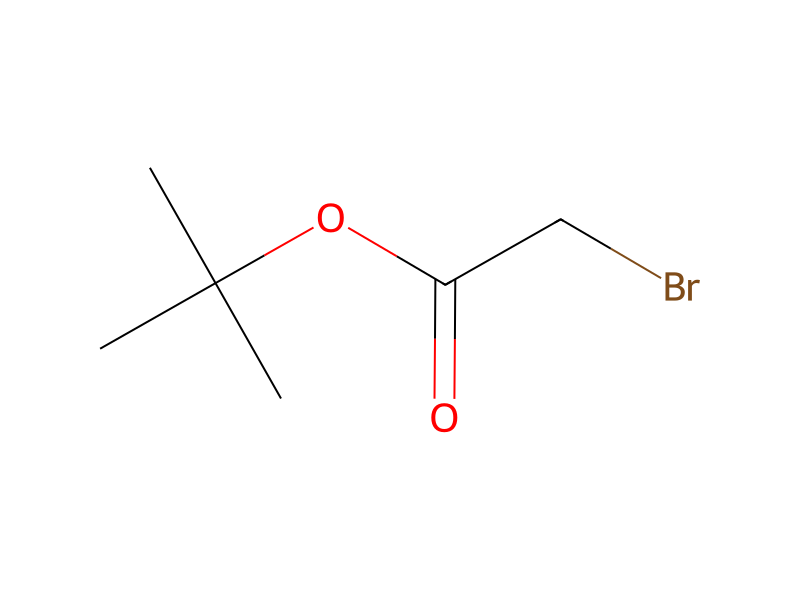
[C:1]1([S:7][CH2:8][CH2:9][OH:10])[CH:6]=[CH:5][CH:4]=[CH:3][CH:2]=1.[C:11]([O:15][C:16](=[O:19])[CH2:17]Br)([CH3:14])([CH3:13])[CH3:12].[OH-].[Na+]>[Br-].C([N+](CCCC)(CCCC)CCCC)CCC.C1(C)C=CC=CC=1>[C:1]1([S:7][CH2:8][CH2:9][O:10][CH2:17][C:16]([O:15][C:11]([CH3:14])([CH3:13])[CH3:12])=[O:19])[CH:6]=[CH:5][CH:4]=[CH:3][CH:2]=1Participants
6





Procedure
2-Phenylthioethanol (6.1 g), t-butylbromoacetate (7.9 ml), tetrabutylammoniumbromide (1.3 g), toluene (80 ml), and 75% aqueous sodium hydroxide (40 ml) were stirred together for 72 hours. The organic layer was separated and the aqueous layer extracted with dichloromethane. The combined organics were washed with brine, dried (MgSO4) and the solvent was removed in vacuo to provide the subtitle compound (12.07 g).
Workup
- customThe organic layer was separated
- extractionthe aqueous layer extracted with dichloromethane
- washThe combined organics were washed with brine
- dry with materialdried (MgSO4)
- customthe solvent was removed in vacuo
Sources & evidence
- ORD record
- ord-d6a5d1323e0940bea02f334e6c96f87b
- Source dataset
- uspto-grants-1998_12
- Patent number
- US05846989
Reaction notes
Loading…