Itaconic acid → HCID 2998626, compound
Reaction equation

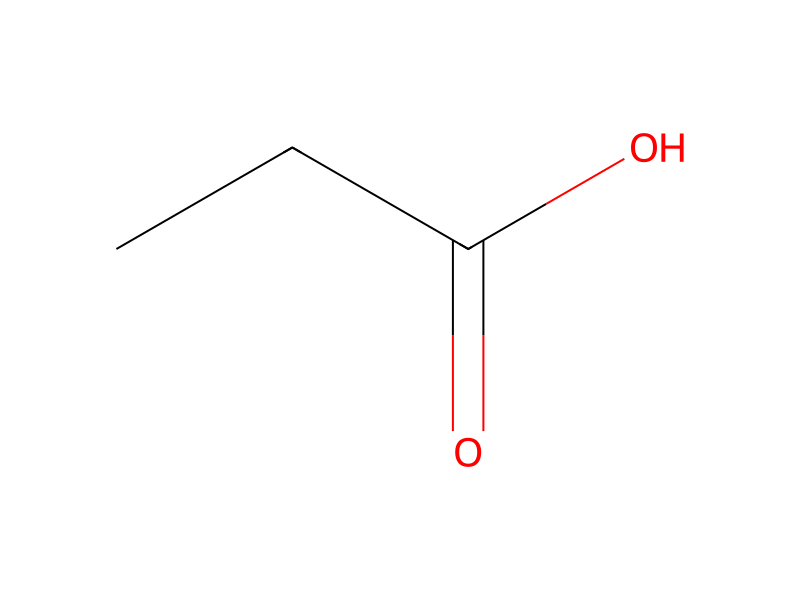
[C:1]1([PH:7](=[O:14])[C:8]2[CH:13]=[CH:12][CH:11]=[CH:10][CH:9]=2)[CH:6]=[CH:5][CH:4]=[CH:3][CH:2]=1.[C:15]([OH:23])(=[O:22])[C:16]([CH2:18][C:19]([OH:21])=[O:20])=[CH2:17].C(O)(=O)CC>>[C:1]1([P:7]([CH2:17][CH:16]([CH2:18][C:19]([OH:21])=[O:20])[C:15]([OH:23])=[O:22])([C:8]2[CH:13]=[CH:12][CH:11]=[CH:10][CH:9]=2)=[O:14])[CH:2]=[CH:3][CH:4]=[CH:5][CH:6]=1Participants
4



Procedure
303 g (1.5 mol) of diphenylphosphine oxide, 214.5 g (1.65 mol) of itaconic acid and 470 g of propionic acid are refluxed under a nitrogen atmosphere for 8.5 hours with lively stirring. The mixture is then cooled. After crystallization, an additional 500 g of propionic acid are added, the product is filtered off with suction, washed and dried. This gives 390 g of product having a melting point of from 169° to 172° C. and a purity of 98.8% (determined by means of the 31P-NMR spectrum). A further 30 g of desired product are isolated from the filtrate. The total yield is 84% of theory, based on diphenylphosphine oxide used.
Workup
- temperatureThe mixture is then cooled
- customAfter crystallization
- additionan additional 500 g of propionic acid are added
- filtrationthe product is filtered off with suction
- washwashed
- customdried
- customof from 169° to 172° C.
Sources & evidence
- ORD record
- ord-8eb1ef8096b343e1a6409721d2395a20
- Source dataset
- uspto-grants-1998_12
- Patent number
- US05847184
Reaction notes
Loading…