Water → HCID 14303135, compound
Reaction equation

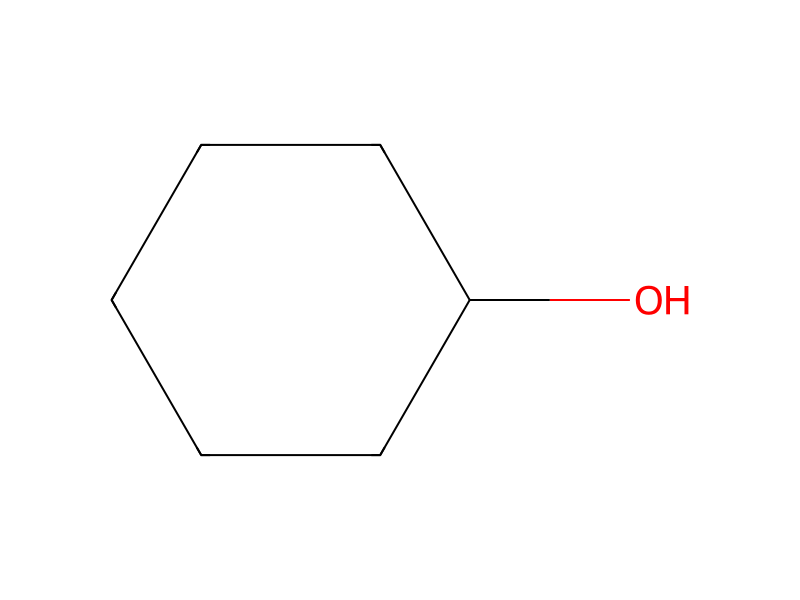
C(=O)([O-])[O-].[K+].[K+].[CH:7]1([C:13]([CH:16]2[CH2:21][CH2:20][CH:19]([NH2:22])[CH2:18][CH2:17]2)([CH3:15])[CH3:14])[CH2:12][CH2:11][CH2:10][CH2:9][CH2:8]1.Cl[CH2:24][CH:25]([O:27][CH:28]([CH3:31])[CH2:29]Cl)[CH3:26].O>C1(O)CCCCC1>[CH3:24][CH:25]1[O:27][CH:28]([CH3:31])[CH2:29][N:22]([CH:19]2[CH2:18][CH2:17][CH:16]([C:13]([CH:7]3[CH2:8][CH2:9][CH2:10][CH2:11][CH2:12]3)([CH3:15])[CH3:14])[CH2:21][CH2:20]2)[CH2:26]1Participants
6
Reactant 4




Product 1

Reagents, catalysts & solvents 1
Procedure
41.4 g (0.3 mole) of potassium carbonate is added to a solution of 23.3 g (0.1 mole) of 4-(2-cyclohexylprop-2-yl)-cyclohexylamine and 17.1 g (0.1 mole) of di-(1-chloro-2-propyl)-ether in 200 ml of cyclohexanol, and the mixture is refluxed for 8 hours while stirring. After cooling, approx. 100 ml of water is added, and the organic phase is separated and dried over a small amount of Na2SO4. The residue remaining after the cyclohexanol has been distilled off is fractionally distilled under reduced pressure. At 160°-164° C./0.2 mm there is obtained 16 g (50% of theory) of the captioned compound as a colorless oil (isomer mixture; compound no. 1).
Workup
- temperaturethe mixture is refluxed for 8 hours
- temperatureAfter cooling
- customthe organic phase is separated
- dry with materialdried over a small amount of Na2SO4
- distillationhas been distilled off
- distillationis fractionally distilled under reduced pressure
Sources & evidence
- ORD record
- ord-1b71fff54658424fa0ce17c629699065
- Source dataset
- uspto-grants-1991_12
- Patent number
- US05071851
Reaction notes
Loading…