Peracetic Acid → Indanofan
Reaction equation

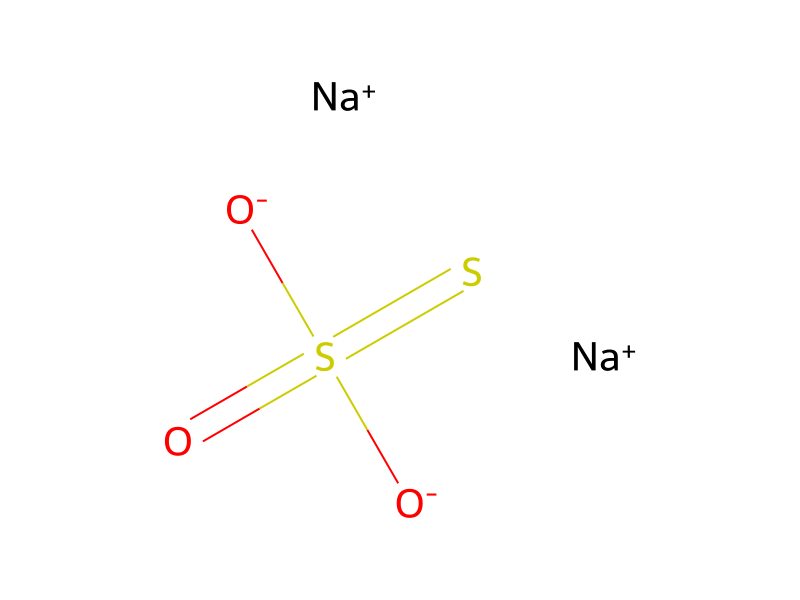
[Cl:1][C:2]1[CH:3]=[C:4]([C:8]([CH2:10][C:11]2([CH2:22][CH3:23])[C:19](=[O:20])[C:18]3[C:13](=[CH:14][CH:15]=[CH:16][CH:17]=3)[C:12]2=[O:21])=[CH2:9])[CH:5]=[CH:6][CH:7]=1.O.O.O.C([O-])(=[O:29])C.[Na+].C(OO)(=O)C.S([O-])([O-])(=O)=S.[Na+].[Na+]>C(Cl)(Cl)Cl>[Cl:1][C:2]1[CH:3]=[C:4]([C:8]2([O:29][CH2:9]2)[CH2:10][C:11]2([CH2:22][CH3:23])[C:19](=[O:20])[C:18]3[C:13](=[CH:14][CH:15]=[CH:16][CH:17]=3)[C:12]2=[O:21])[CH:5]=[CH:6][CH:7]=1Participants
6




Procedure
To the mixture of 1.62 g of 2-[2-(3-chlorophenyl) propen 3-yl]-2-ethylindan-1,3-dione, 0.34 g of sodium acetate trihydrate and 10 ml of chloroform was added-2.85 g of 40% peracetic acid. After refluxing for 3 hours, excess peroxide was decomposed with 10% sodium thiosulfate aqueous solution, and the organic layer was washed with water, neutralized with a saturated sodium bicarbonate aqueous solution, washed with water and with a saturated saline solution, and dried over anhydrous magnesium sulfate. After the solvent was evaporated, the residue was separated and purified by silica gel column chromatography (developing solvent: n-hexane/ethyl acetate=4/1) to obtain 1.27 g of the compound No. 53 shown in Table 2.
Workup
- temperatureAfter refluxing for 3 hours
- washthe organic layer was washed with water
- washwashed with water and with a saturated saline solution
- dry with materialdried over anhydrous magnesium sulfate
- customAfter the solvent was evaporated
- customthe residue was separated
- custompurified by silica gel column chromatography (developing solvent: n-hexane/ethyl acetate=4/1)
Sources & evidence
- ORD record
- ord-3e5eb27454a647848e0b2cf9039fb8bf
- Source dataset
- uspto-grants-1991_12
- Patent number
- US05076830
Reaction notes
Loading…