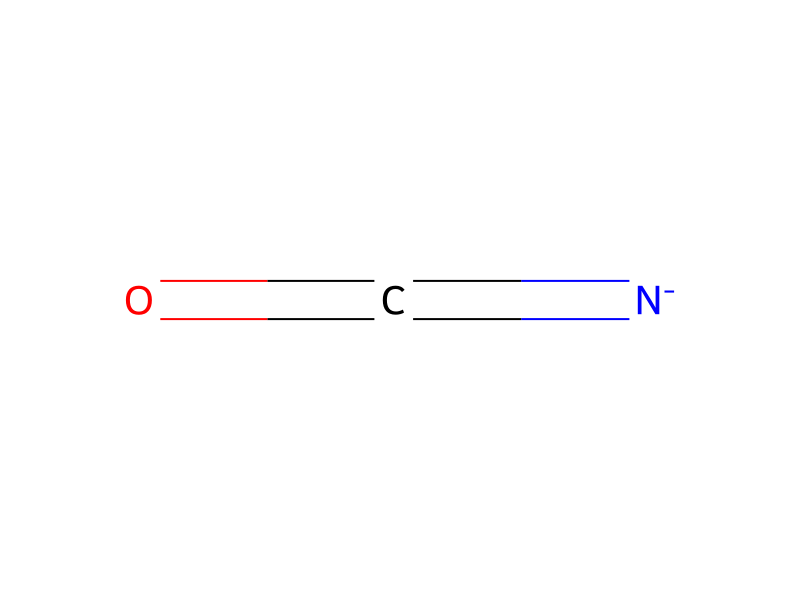
Isocyanate → 3158-94-9
Reaction equation

[N-:1]=[C:2]=[O:3].[Cl-:4].[Al+3].[Cl-].[Cl-].C(S(CCC(NNC(N1C[C:26]2[CH:28]=[C:29](Cl)[CH:30]=[CH:31][C:25]=2[O:24][C:23]2[CH:33]=[CH:34][C:35](Cl)=[CH:36][C:22]1=2)=O)=O)(=O)=O)C>BrC1C=CC=CC=1>[Cl:4][C:22]1[C:23]2[O:24][C:25]3[CH:31]=[CH:30][CH:29]=[CH:28][C:26]=3[NH:1][C:2](=[O:3])[C:33]=2[CH:34]=[CH:35][CH:36]=1Participants
Reactant 3


Product 1

Reagents, catalysts & solvents 1
Conditions
- Temperature
- 150 °C
Procedure
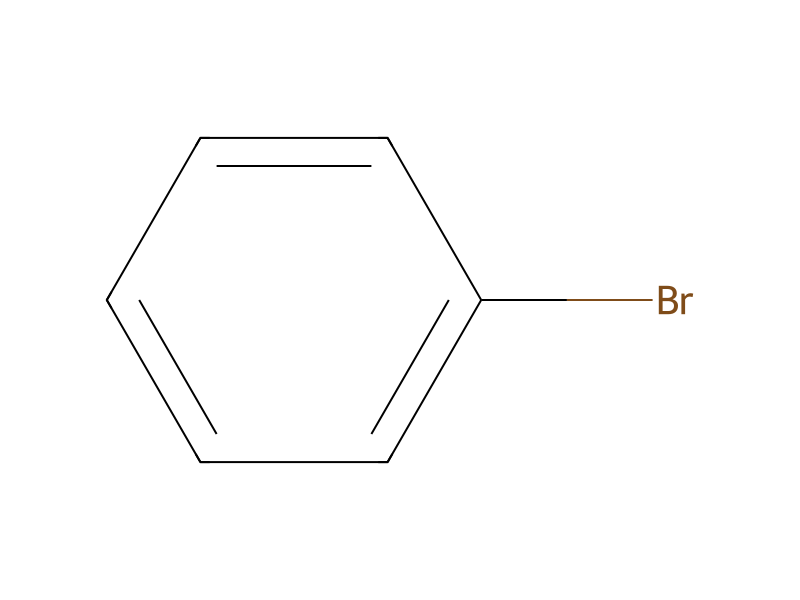
To a solution of phosgene (1.93 M in toluene, 42 mL) under nitrogen at approximately 5° C. was added dropwise a solution of the title compound of Example 18(b) (3.50 g) in toluene (11 mL). The mixture was stirred at 0°-5° C. for 30 minutes, and then heated on a steam bath for 30 minutes under nitrogen. Evaporation under vacuum yielded the isocyanate compound as a clear oil. IR: 2250 cm (strong). The isocyanate compound was taken up in bromobenzene (2; mL) and added dropwise to a stirred mixture of aluminum chloride (2.14 g) in bromobenzene (21 mL) at 100° C. under nitrogen. The reaction temperature was raised to 150° C., and the reaction was stirred for two hours. The reaction was evaporated under vacuum, and the residue was vigorously shaken with ethyl acetate/1 N NaOH. The resulting emulsion was filtered through a sintered glass funnel, and the resulting layers were separated. The semi-solid which had collected on the filter was washed with ethyl acetate, and this wash was combined with the ethyl acetate from the filtrate. The ethyl acetate layers were combined, washed with 1 N NaOH, 1 N HCl, and brine, dried over magnesium sulfate, and evaporated under vacuum to an oily, solid, yellow residue. This was triturated with ethyl ether, and the solid was collected by filtration. This solid was added to the semi-solid collected earlier, and the combined solids were washed with ether and air dried. The crude product was refluxed with ethanol (3A, 200 mL) for one hour, evaporated to dryness, triturated with ethyl ether, and the solid was collected. Drying under vacuum at 56° C. yielded the title compound as a white solid.
Workup
- temperatureheated on a steam bath for 30 minutes under nitrogen
- customEvaporation under vacuum
- customyielded the isocyanate compound as a clear oil
- stirringthe reaction was stirred for two hours
- customThe reaction was evaporated under vacuum
- stirringthe residue was vigorously shaken with ethyl acetate/1 N NaOH
- filtrationThe resulting emulsion was filtered through a sintered glass funnel
- customthe resulting layers were separated
- customThe semi-solid which had collected on the filter
- washwas washed with ethyl acetate
- washwashed with 1 N NaOH, 1 N HCl, and brine
- dry with materialdried over magnesium sulfate
- customevaporated under vacuum to an oily, solid, yellow residue
- customThis was triturated with ethyl ether
- filtrationthe solid was collected by filtration
- additionThis solid was added to the semi-solid
- customcollected earlier
- washthe combined solids were washed with ether and air
- customdried
- temperatureThe crude product was refluxed with ethanol (3A, 200 mL) for one hour
- customevaporated to dryness
- customtriturated with ethyl ether
- customthe solid was collected
- customDrying under vacuum at 56° C.
Sources & evidence
- ORD record
- ord-905a0298907846ff98b5c7f806dfaa08
- Source dataset
- uspto-grants-1994_04
- Patent number
- US05304644
Reaction notes
Loading…