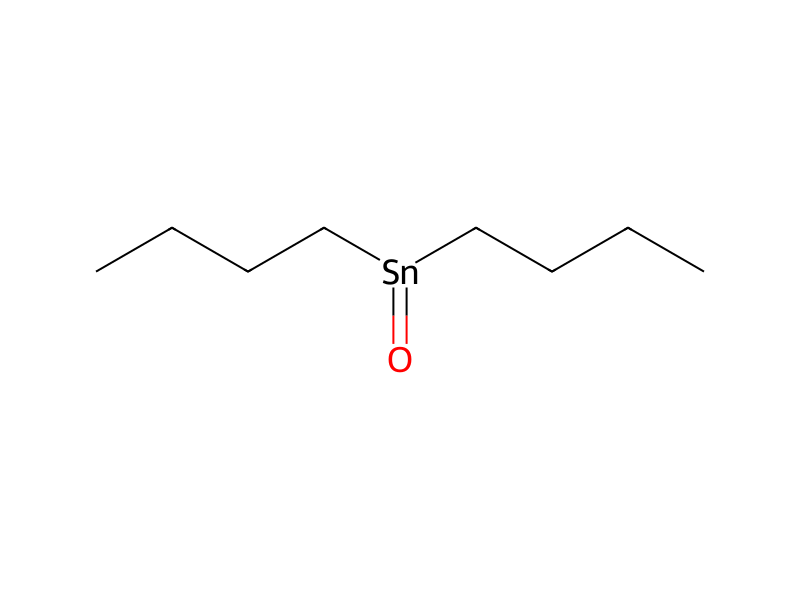
Dibutyltin oxide → HCID 56839771, compound
Reaction equation

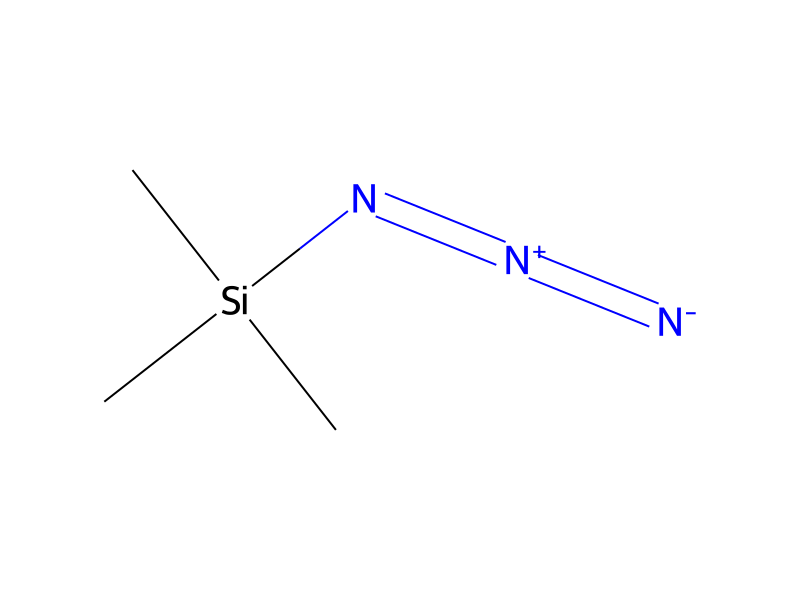
[CH2:1]([N:8]1[C:16]2[C:11](=[CH:12][CH:13]=[C:14]([Cl:17])[CH:15]=2)[C:10]([O:18][C:19]2[CH:20]=[C:21]([CH2:25][C:26]#[N:27])[CH:22]=[CH:23][CH:24]=2)=[C:9]1[CH3:28])[C:2]1[CH:7]=[CH:6][CH:5]=[CH:4][CH:3]=1.[N:29]([Si](C)(C)C)=[N+:30]=[N-:31].C([Sn](=O)CCCC)CCC>C1(C)C=CC=CC=1>[CH2:1]([N:8]1[C:16]2[C:11](=[CH:12][CH:13]=[C:14]([Cl:17])[CH:15]=2)[C:10]([O:18][C:19]2[CH:24]=[CH:23][CH:22]=[C:21]([CH2:25][C:26]3[N:29]=[N:30][NH:31][N:27]=3)[CH:20]=2)=[C:9]1[CH3:28])[C:2]1[CH:7]=[CH:6][CH:5]=[CH:4][CH:3]=1Participants
5
Reactant 3

Product 1

Reagents, catalysts & solvents 1

Conditions
- Temperature
- 90 °C
Procedure
[3-(1-Benzyl-6-chloro-2-methyl-1H-indol-3-yloxy)-phenyl]-acetonitrile (0.030 g, 0.078 mmol) was dissolved in toluene (1 mL) along with azidotrimethylsilane (44 μL, 0.33 mmol) and dibutyltin(IV) oxide (0.002 g, 0.008 mmol). The reaction was heated to 90° C. for 2 days then concentrated. The crude material was dissolved in DMSO and purified via preparatory HPLC to give the title compound.
Workup
- concentrationthen concentrated
- dissolutionThe crude material was dissolved in DMSO
- custompurified via preparatory HPLC
Sources & evidence
- ORD record
- ord-b9e55bda0f69461c8751ff0e49a680c9
- Source dataset
- uspto-grants-2015_04
- Patent number
- US09000025B2
Reaction notes
Loading…