Water → HCID 178439972, compound
Reaction equation

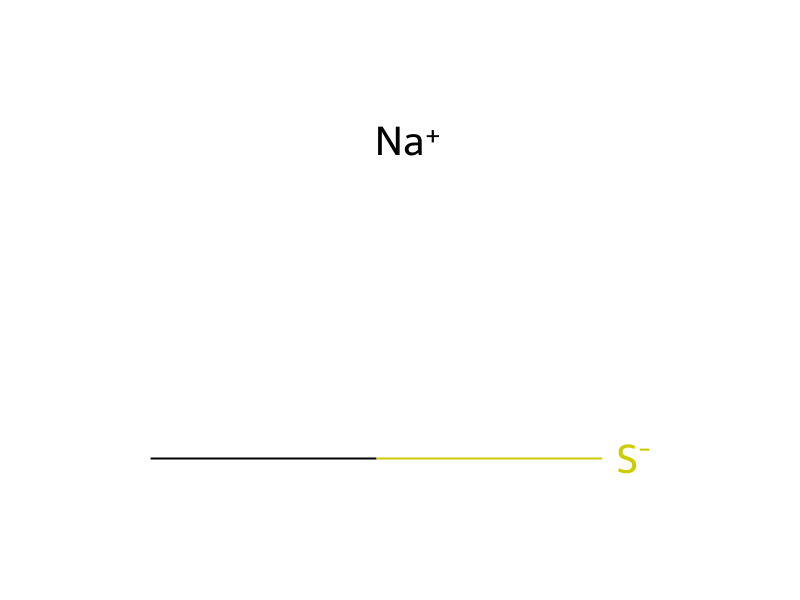
Br[C:2]1[CH:7]=[CH:6][N:5]2[C:8]([CH2:14][O:15][CH:16]3[CH2:21][CH2:20][CH2:19][CH2:18][CH2:17]3)=[C:9]([CH:11]([CH3:13])[CH3:12])[N:10]=[C:4]2[CH:3]=1.C[S-:23].[Na+].O>CC(N(C)C)=O>[CH:16]1([O:15][CH2:14][C:8]2[N:5]3[CH:6]=[CH:7][C:2]([SH:23])=[CH:3][C:4]3=[N:10][C:9]=2[CH:11]([CH3:13])[CH3:12])[CH2:21][CH2:20][CH2:19][CH2:18][CH2:17]1Participants
5
Reactant 3


Product 1

Reagents, catalysts & solvents 1

Conditions
- Temperature
- 160 °C
Procedure
7-Bromo-3-cyclohexyloxymethyl-2-isopropylimidazo[1,2-a]pyridine (50.0 mg, 0.142 mmol) obtained in step 3 of Example 28 was dissolved in DMA (1.0 mL), and the solution was stirred at 160° C. for 30 minutes after adding sodium thiomethoxide (80.0 mg, 1.14 mmol). After adding water to the reaction mixture, the reaction mixture was extracted with ethyl acetate. The organic layer was washed with saturated brine, and dried over anhydrous sodium sulfate. The solvent was then evaporated under reduced pressure. The residue was purified by silica gel chromatography (chloroform/methanol=95/5) to give 3-cyclohexyloxymethyl-2-isopropylimidazo[1,2-a]pyridine-7-thiol (35.3 mg, yield 82%).
Workup
- extractionthe reaction mixture was extracted with ethyl acetate
- washThe organic layer was washed with saturated brine
- dry with materialdried over anhydrous sodium sulfate
- customThe solvent was then evaporated under reduced pressure
- customThe residue was purified by silica gel chromatography (chloroform/methanol=95/5)
Sources & evidence
- ORD record
- ord-0f25ebb1704146a9ba0299994eab0e88
- Source dataset
- uspto-grants-2015_04
- Patent number
- US09000186B2
Reaction notes
Loading…