Tetrafluoro-m-phenylenediamine dihydrochloride → Tetrafluoro-m-phenylenediamine dihydrochloride
Reaction equation

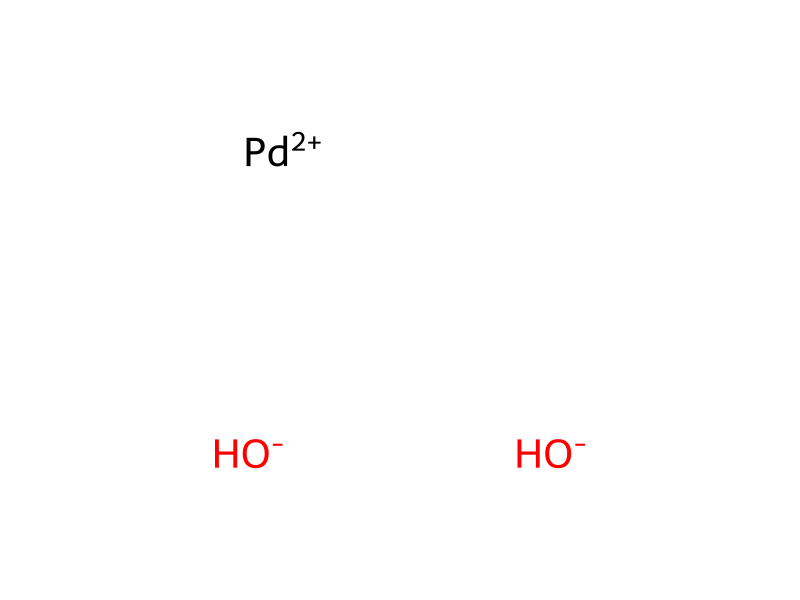
[C:1]1([NH2:12])[C:6]([F:7])=[C:5]([F:8])[C:4]([F:9])=[C:3]([NH2:10])[C:2]=1[F:11].[ClH:13].Cl.[F:15][C:16]1[CH:17]=[C:18]([N:28]2[CH2:32][CH:31]([CH2:33][NH:34]C(C3C=CC=CC=3)C)[O:30][C:29]2=[O:43])[CH:19]=[CH:20][C:21]=1[N:22]1[CH2:27][CH2:26][O:25][CH2:24][CH2:23]1>[OH-].[OH-].[Pd+2].CO>[C:1]1([NH2:12])[C:6]([F:7])=[C:5]([F:8])[C:4]([F:9])=[C:3]([NH2:10])[C:2]=1[F:11].[ClH:13].[ClH:13].[F:15][C:16]1[CH:17]=[C:18]([N:28]2[CH2:32][CH:31]([CH2:33][NH2:34])[O:30][C:29]2=[O:43])[CH:19]=[CH:20][C:21]=1[N:22]1[CH2:23][CH2:24][O:25][CH2:26][CH2:27]1Participants
6
Reactant 2


Product 2

Reagents, catalysts & solvents 2

Procedure
To a reaction flask were added 3.0 g of dihydrochloride of 3-(3-fluoro-4-morpholinylphenyl)-5-[(1-phenylethyl)aminomethyl]-1,3-oxazolidin-2-one (4a), 100 ml of methanol and 1.0 g of 10% Pd(OH)2/C. Gas inside the reaction flask was evacuated and argon was then introduced to the reaction flask. The reaction mixture was allowed to react for 48 hours at room temperature with stirring. After the reaction was completed, the reaction mixture was filtered, and subsequently put under reduced pressure for solvent removal to give a dihydrochloride of 3-(3-fluoro-4-morpholinylphenyl-5-aminomethyl-1,3-oxazolidin-2-one (5a) as a white solid and at a yield of 95%.
Workup
- customGas inside the reaction flask was evacuated
- additionargon was then introduced to the reaction flask
- customto react for 48 hours at room temperature
- filtrationthe reaction mixture was filtered
- customsubsequently put under reduced pressure for solvent removal
Sources & evidence
- ORD record
- ord-09781232b5914341b4f1c078021fd588
- Source dataset
- uspto-grants-2015_04
- Patent number
- US09012631B2
Reaction notes
Loading…