Triethylamine → Phenyl[3-(4-fluoro-2-nitrophenoxy)propyl]carbamate
Reaction equation

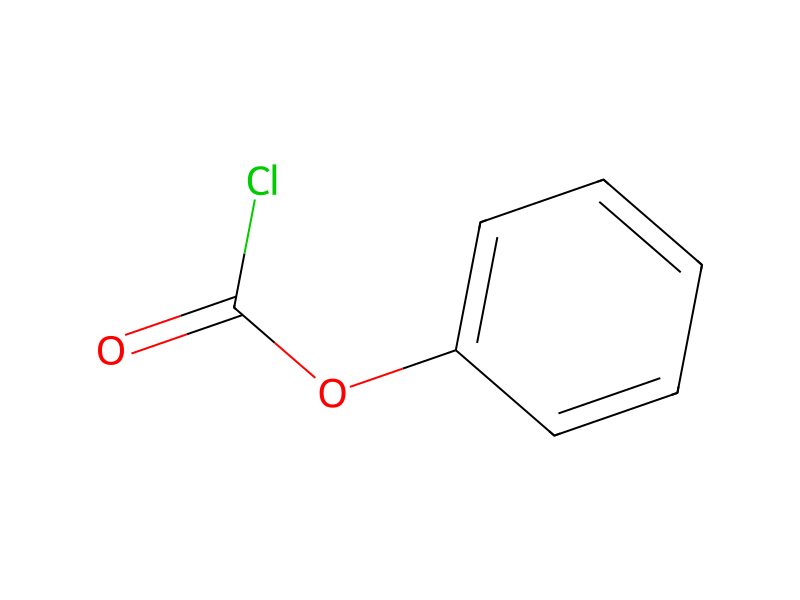
C(N(CC)CC)C.[C:8](Cl)(=[O:16])[O:9][C:10]1[CH:15]=[CH:14][CH:13]=[CH:12][CH:11]=1.[F:18][C:19]1[CH:29]=[CH:28][C:22]([O:23][CH2:24][CH2:25][CH2:26][NH2:27])=[C:21]([N+:30]([O-:32])=[O:31])[CH:20]=1>O1CCOCC1>[C:10]1([O:9][C:8](=[O:16])[NH:27][CH2:26][CH2:25][CH2:24][O:23][C:22]2[CH:28]=[CH:29][C:19]([F:18])=[CH:20][C:21]=2[N+:30]([O-:32])=[O:31])[CH:15]=[CH:14][CH:13]=[CH:12][CH:11]=1Participants
5




Procedure
Triethylamine (2.90 ml, 21.4 mmol) and phenyl chlorocarbonate (2.52 ml, 20.0 mmol) were added to a dioxane solution (43 ml) of 3-(4-fluoro-2-nitrophenoxy)propylamine (4.03 g, 18.8 mmol), while being cooled with ice, and the mixture was stirred at room temperature for 0.5 hours. The reaction mixture was concentrated under reduced pressure, and the residue was then purified by silica gel column chromatography (dichloromethane:ethyl acetate=30:1). The purified product was concentrated to dryness under reduced pressure to thereby obtain 5.92 g of powdery yellow phenyl[3-(4-fluoro-2-nitrophenoxy)propyl]carbamate (yield: 94%).
Workup
- temperaturewhile being cooled with ice
- concentrationThe reaction mixture was concentrated under reduced pressure
- customthe residue was then purified by silica gel column chromatography (dichloromethane:ethyl acetate=30:1)
- concentrationThe purified product was concentrated to dryness under reduced pressure
Sources & evidence
- ORD record
- ord-128e26eee526476b83d0dec4424bced4
- Source dataset
- uspto-grants-2016_08
- Patent number
- US09403773B2
Reaction notes
Loading…