Diisopropylethylamine → HCID 117839986, compound
Reaction equation

[N+:1]([C:4]1[CH:8]=[CH:7][NH:6][CH:5]=1)([O-:3])=[O:2].[F:9][C:10]1[CH:15]=[CH:14][C:13](B(O)O)=[CH:12][CH:11]=1.C(N(CC)C(C)C)(C)C>C([O-])(=O)C.[Cu+2].C([O-])(=O)C.ClCCl>[F:9][C:10]1[CH:15]=[CH:14][C:13]([N:6]2[CH:7]=[CH:8][C:4]([N+:1]([O-:3])=[O:2])=[CH:5]2)=[CH:12][CH:11]=1Participants
6
Reactant 3


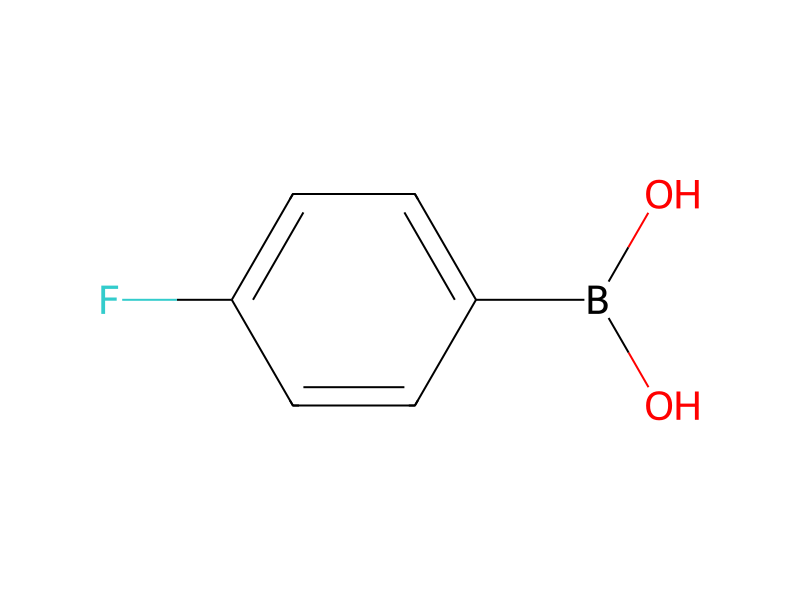
Product 1

Reagents, catalysts & solvents 2


Procedure
To a dichloromethane solution (4.0 mL) of 3-nitropyrrole (200 mg, 1.78 mmol), 4-fluorophenylboronic acid (499 mg, 3.57 mmol), and copper acetate (II) (486 mg, 2.68 mmol), N,N-diisopropylethylamine (606 μL, 3.57 mmol) was added and the resultant mixture was stirred at room temperature for 1 day. After completion of the reaction, the reaction solution was filtered with Celite and the filtrate was concentrated under reduced pressure. The obtained residue was purified by silica gel column chromatography (hexane/ethyl acetate=1/1) to obtain the title compound (131 mg, yield 36%).
Workup
- customAfter completion of the reaction
- filtrationthe reaction solution was filtered with Celite
- concentrationthe filtrate was concentrated under reduced pressure
- customThe obtained residue was purified by silica gel column chromatography (hexane/ethyl acetate=1/1)
Sources & evidence
- ORD record
- ord-7f5e5adf61d047e2be66ea13bff8b2fd
- Source dataset
- uspto-grants-2016_08
- Patent number
- US09403798B2
Reaction notes
Loading…