Ethylene Glycol → HCID 117857408, compound
Reaction equation

[CH3:1][N:2]1[C@@H:19]2[CH2:20][C:7]3=[CH:8][CH:9]=[C:10]([OH:21])[C:11]4[O:12][C@H:13]5[C:14]([CH2:16][CH2:17][C@@H:18]2[C@:5]5([C:6]=43)[CH2:4][CH2:3]1)=[O:15].Cl.CS(O)(=O)=O.[CH2:28](O)[CH2:29][OH:30]>>[CH3:1][N:2]1[CH2:3][CH2:4][C@@:5]23[C:6]4[C:7]5[CH2:20][C@@H:19]1[C@@H:18]2[CH2:17][CH2:16][C:14]1([C@@H:13]3[O:12][C:11]=4[C:10]([OH:21])=[CH:9][CH:8]=5)[O:30][CH2:29][CH2:28][O:15]1Participants
4

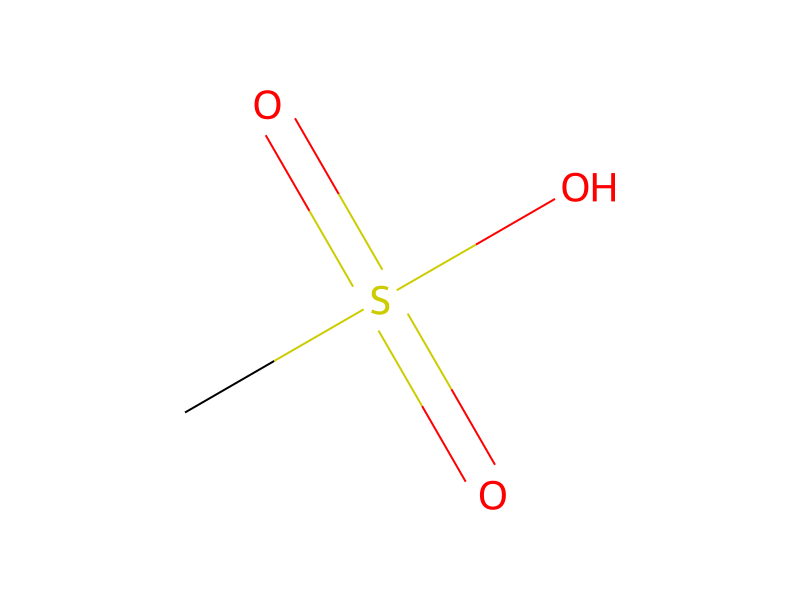


Conditions
- Temperature
- 80 °C
Procedure
To Hydromorphone HCl (15.0 g, 46.7 mmol) was added ethylene glycol (80 mL) and methane sulfonic acid (10 mL) and the reaction heated at 80° C. overnight. The reaction was cooled to room temperature and poured into ice/NH3(aq) (˜350 mL). The product was extracted with dichloromethane and dried over MgSO4 before concentration under reduced pressure to give (4R,4aR,7aR,12bS)-3-methyl-1,2,3,4,4a,5,6,7a-octahydrospiro[4,12-methanobenzofuro[3,2-e]isoquinoline-7,2′-[1,3]dioxolan]-9-ol (19 g, 99.9% LCMS); [M+H]+ 330.5. This was taken onto the next step without purification.
Workup
- temperatureThe reaction was cooled to room temperature
- extractionThe product was extracted with dichloromethane
- dry with materialdried over MgSO4 before concentration under reduced pressure
Sources & evidence
- ORD record
- ord-55877d2c5b9c439cb8e48370652ed9c8
- Source dataset
- uspto-grants-2016_08
- Patent number
- US09416137B2
Reaction notes
Loading…