Pyridine → (S)-4-tert-butyl 1-methyl 6-bromo-2-methyl-2,3-dihydroquinoxaline-1,4-dicarboxylate
Reaction equation

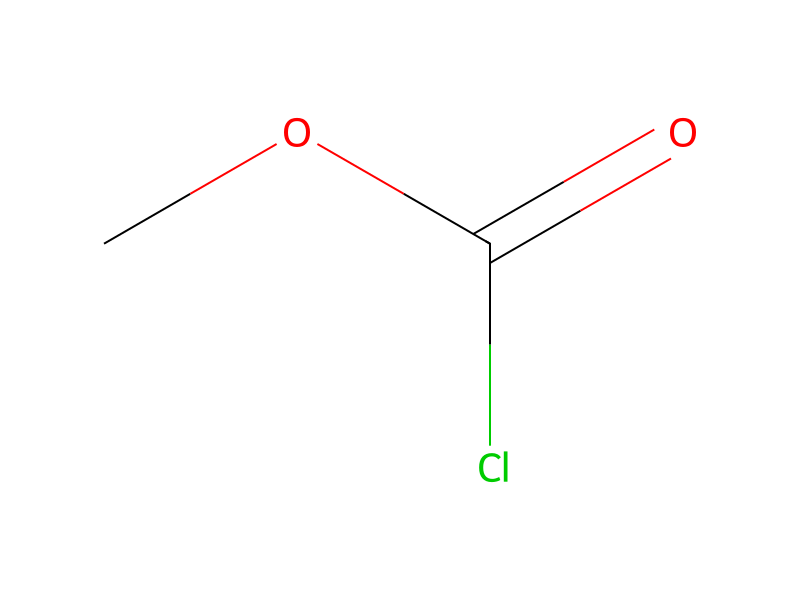
[Br:1][C:2]1[CH:11]=[C:10]2[C:5]([NH:6][C@@H:7]([CH3:19])[CH2:8][N:9]2[C:12]([O:14][C:15]([CH3:18])([CH3:17])[CH3:16])=[O:13])=[CH:4][CH:3]=1.N1C=CC=CC=1.Cl[C:27]([O:29][CH3:30])=[O:28]>ClCCCl>[Br:1][C:2]1[CH:11]=[C:10]2[C:5](=[CH:4][CH:3]=1)[N:6]([C:27]([O:29][CH3:30])=[O:28])[C@@H:7]([CH3:19])[CH2:8][N:9]2[C:12]([O:14][C:15]([CH3:18])([CH3:17])[CH3:16])=[O:13]Participants
Reactant 3


Product 1

Reagents, catalysts & solvents 1

Conditions
- Temperature
- 0 °C
Procedure
A 100-mL round bottom flask fitted with nitrogen inlet and magnetic stir bar was charged with (S)-tert-butyl 7-bromo-3-methyl-3,4-dihydroquinoxaline-1(2H)-carboxylate (4.95 g, 15.13 mmol), 1,2-dichloroethane (50 mL), and pyridine (2.45 mL, 30.3 mmol). The reaction was cooled to 0° C. and methyl chloroformate (1.758 ml, 22.69 mmol) was added slowly. The reaction mixture stirred at 0° C. for 30 min and was then warmed to room temperature. After 2 h the reaction was diluted with 1,2-dichloroethane (20 mL) and washed with 1 M aqueous HCl solution (25 mL). The organic was concentrated under reduced pressure to afford (S)-4-tert-butyl 1-methyl 6-bromo-2-methyl-2,3-dihydroquinoxaline-1,4-dicarboxylate (5.83 g, 100%) as an amber oil. The material was used without further purification. MS (ESI, pos. ion) m/z 385 [M+1]+.
Workup
- customA 100-mL round bottom flask fitted with nitrogen inlet and magnetic stir bar
- temperaturewas then warmed to room temperature
- washwashed with 1 M aqueous HCl solution (25 mL)
- concentrationThe organic was concentrated under reduced pressure
Sources & evidence
- ORD record
- ord-7d377a1ccf5044b1b4ef21da36f1c78f
- Source dataset
- uspto-grants-2016_08
- Patent number
- US09422281B2
Reaction notes
Loading…