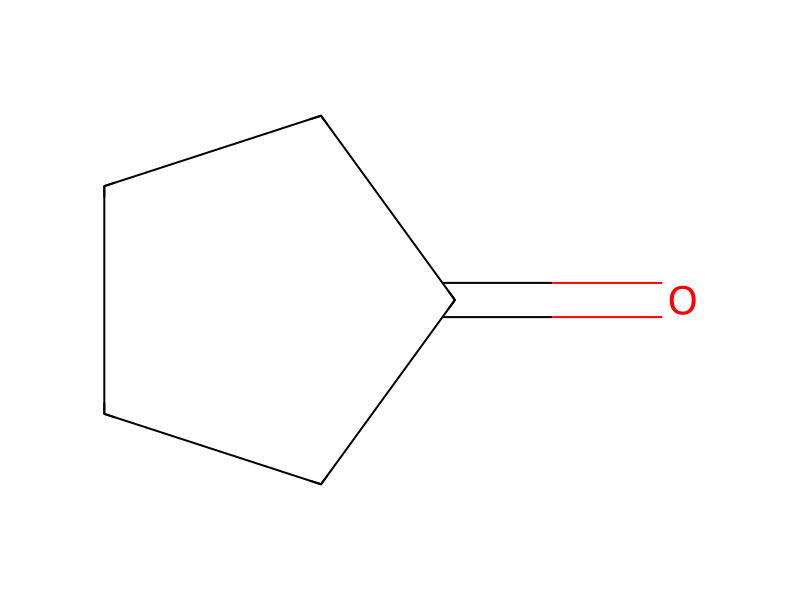
Cyclopentanone → 1-((4-Bromo-3,5-dimethylphenyl)amino)cyclopentanecarbonitrile
Reaction equation

[C:1]1(=O)[CH2:5][CH2:4][CH2:3][CH2:2]1.[Br:7][C:8]1[C:14]([CH3:15])=[CH:13][C:11]([NH2:12])=[CH:10][C:9]=1[CH3:16].C[Si]([C:21]#[N:22])(C)C>C(O)(=O)C>[Br:7][C:8]1[C:14]([CH3:15])=[CH:13][C:11]([NH:12][C:1]2([C:21]#[N:22])[CH2:5][CH2:4][CH2:3][CH2:2]2)=[CH:10][C:9]=1[CH3:16]Participants
5
Reactant 3


Product 1

Reagents, catalysts & solvents 1

Procedure
To a mixture of cyclopentanone (42 mg, 0.500 mmol) and 4-bromo-3,5-dimethylaniline (100 mg, 0.500 mmol) in acetic acid (0.5 mL), trimethylsilyl cyanide (0.063 ml, 0.500 mmol) was added at room temperature. The mixture was stirred at room temperature for 1.5 hours under nitrogen atmosphere. The reaction mixture was quenched with 28% aqueous ammonia (1 mL), diluted with water and extracted with dichloromethane. The organic layer was washed with water and brine, dried over anhydrous sodium sulfate, and then concentrated under reduced pressure to afford 1-((4-bromo-3,5-dimethylphenyl)amino)cyclopentanecarbonitrile as a crude product (152 mg).
Workup
- additionwas added at room temperature
- customThe reaction mixture was quenched with 28% aqueous ammonia (1 mL)
- additiondiluted with water
- extractionextracted with dichloromethane
- washThe organic layer was washed with water and brine
- dry with materialdried over anhydrous sodium sulfate
- concentrationconcentrated under reduced pressure
Sources & evidence
- ORD record
- ord-8a25f0f70319428e975caa0bd8e9ff21
- Source dataset
- uspto-grants-2016_08
- Patent number
- US09428505B2
Reaction notes
Loading…